Sampler day agenda
Booked hours that respect both print and embroidery teams.
Booked hours for sample pulls
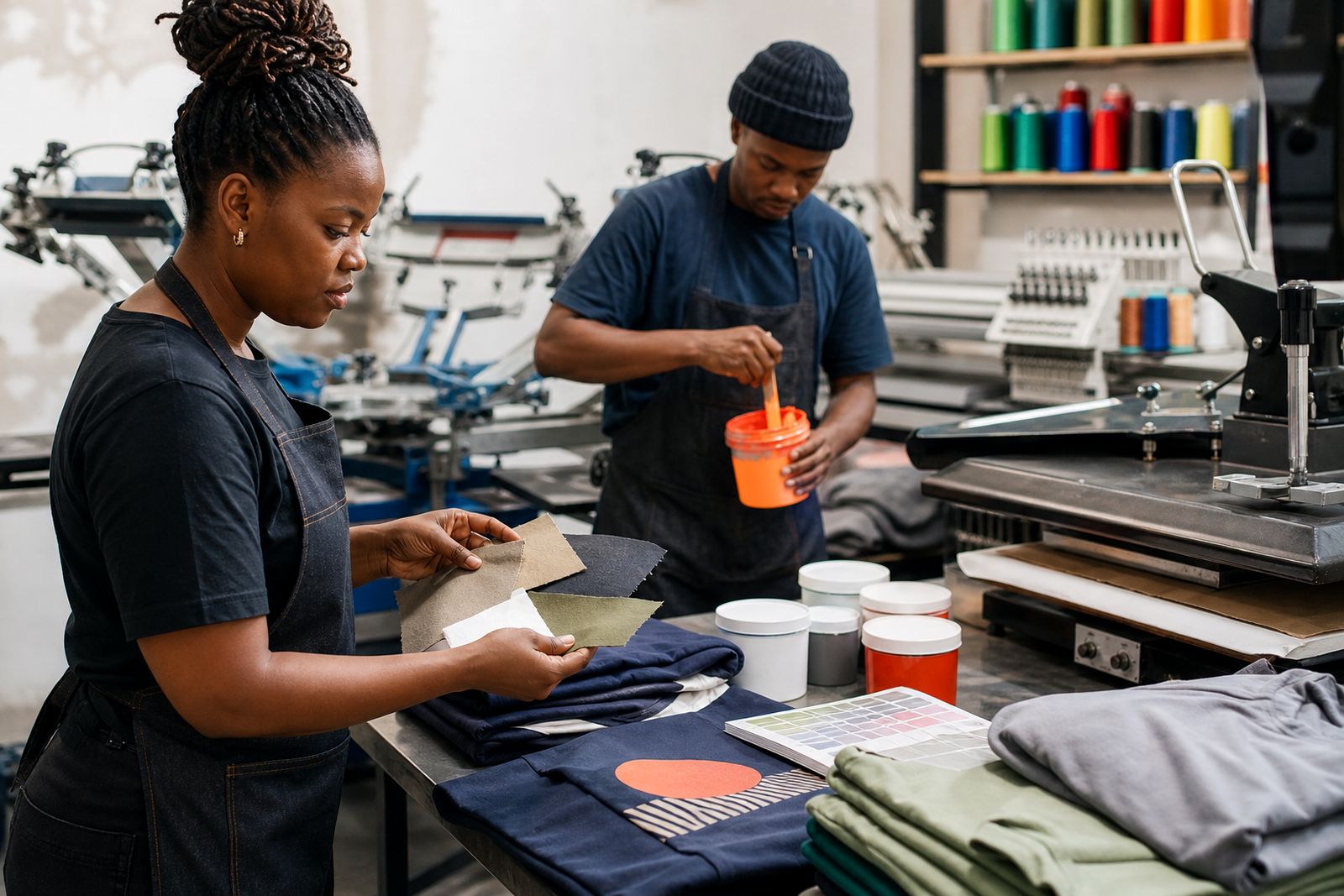
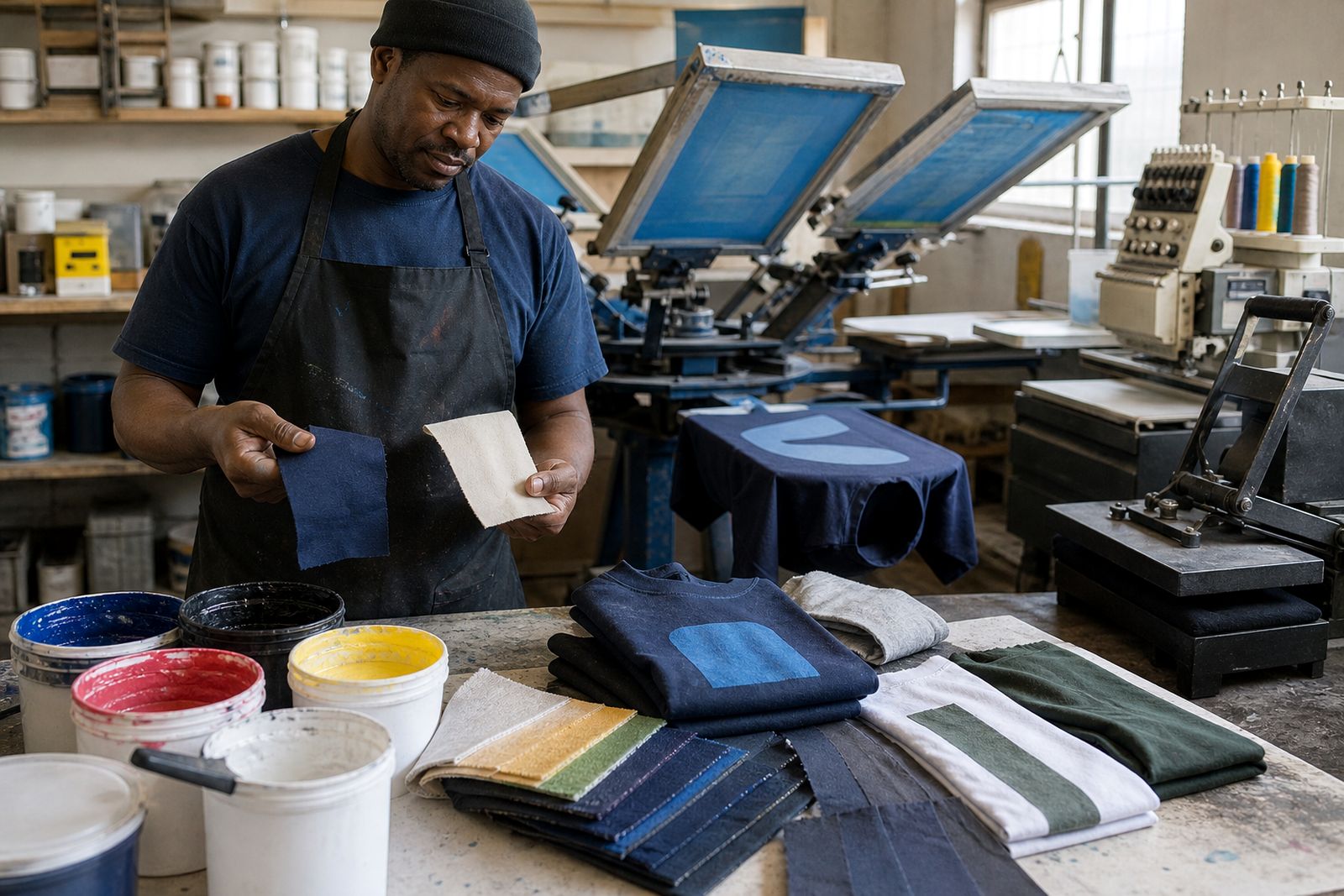
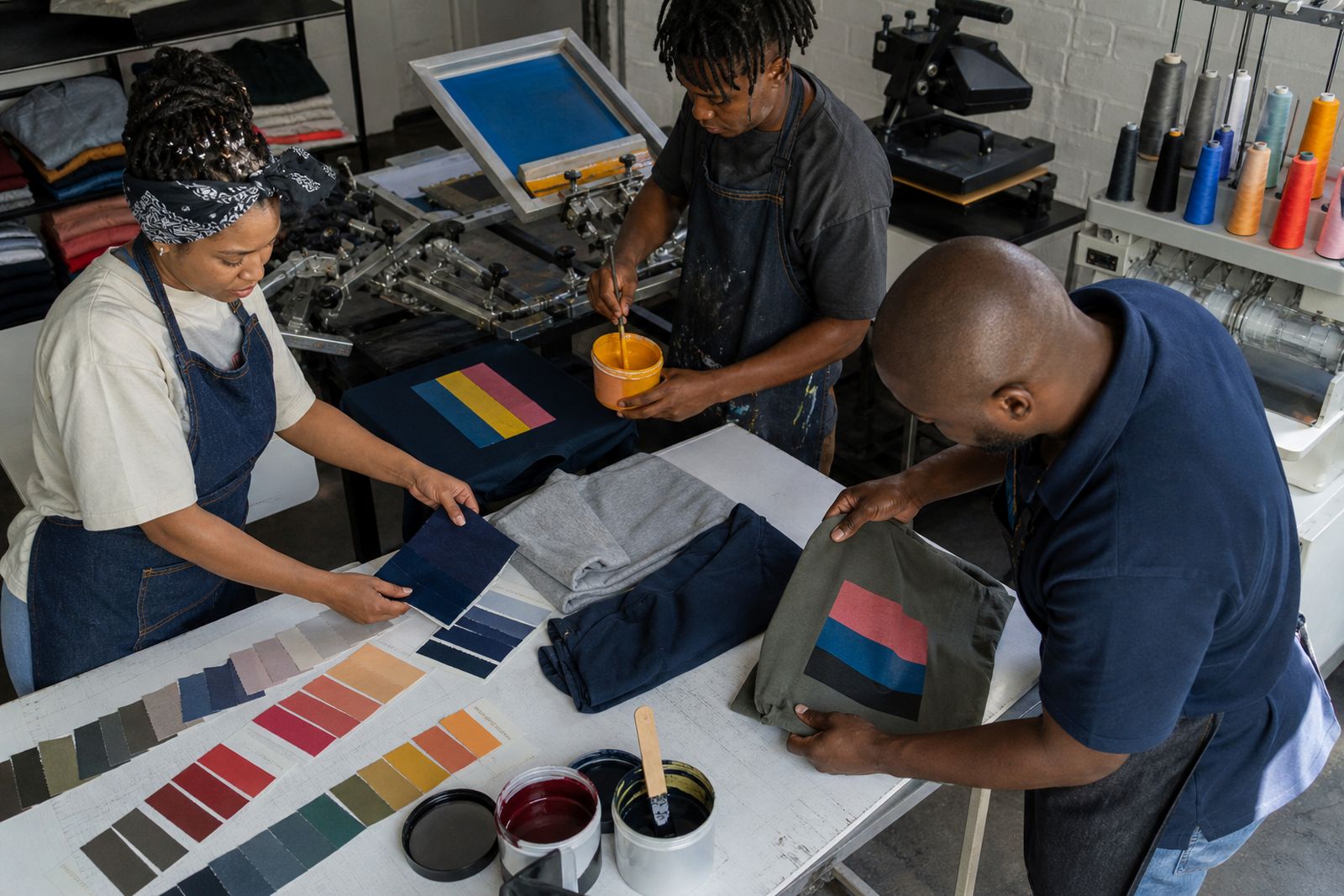
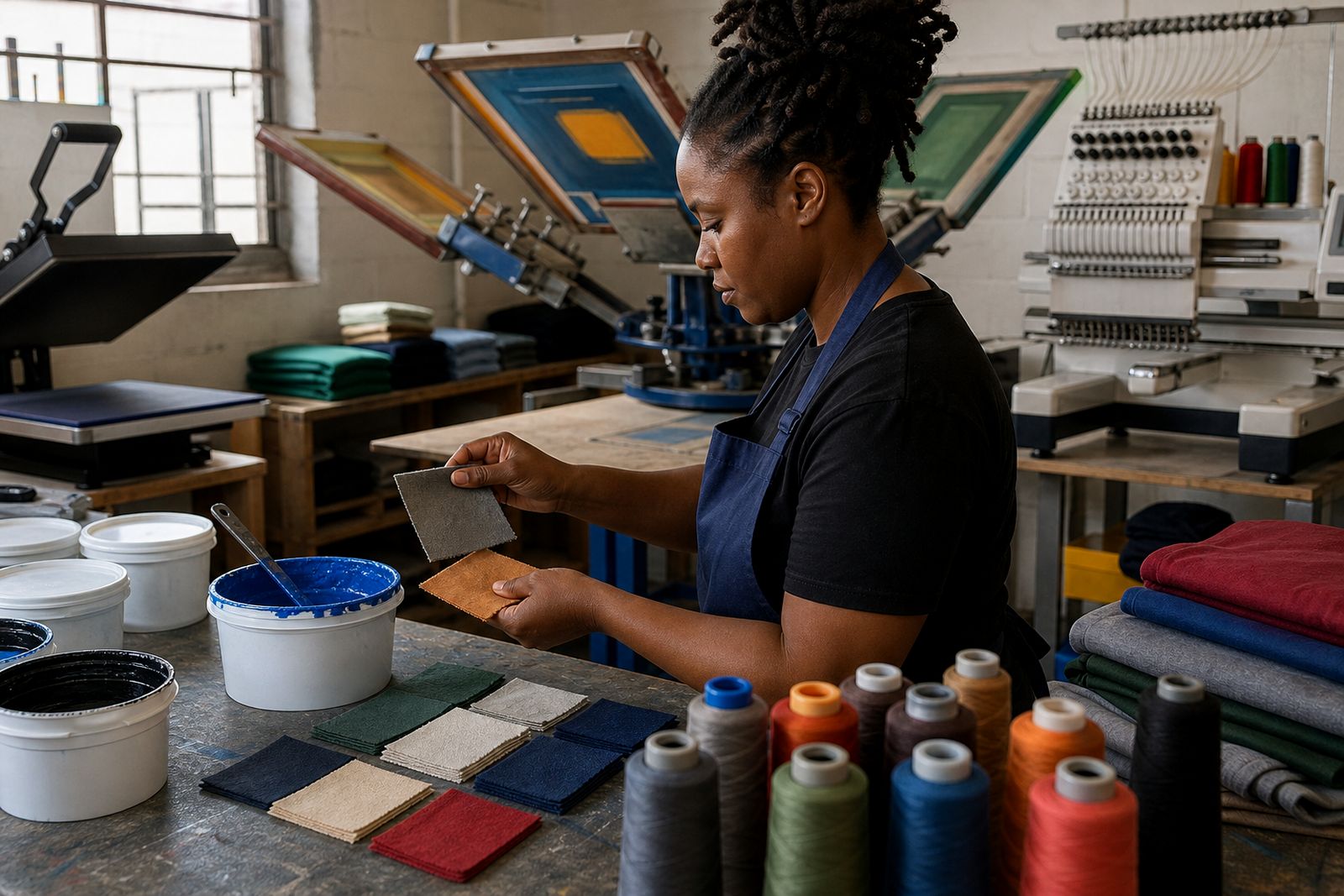
Sampler day slots cover press pulls, thread matching, and film checks for studio teams planning a shared sample run. The agenda keeps bench time visible when one team is approving colours and the other is checking stitch or print output.
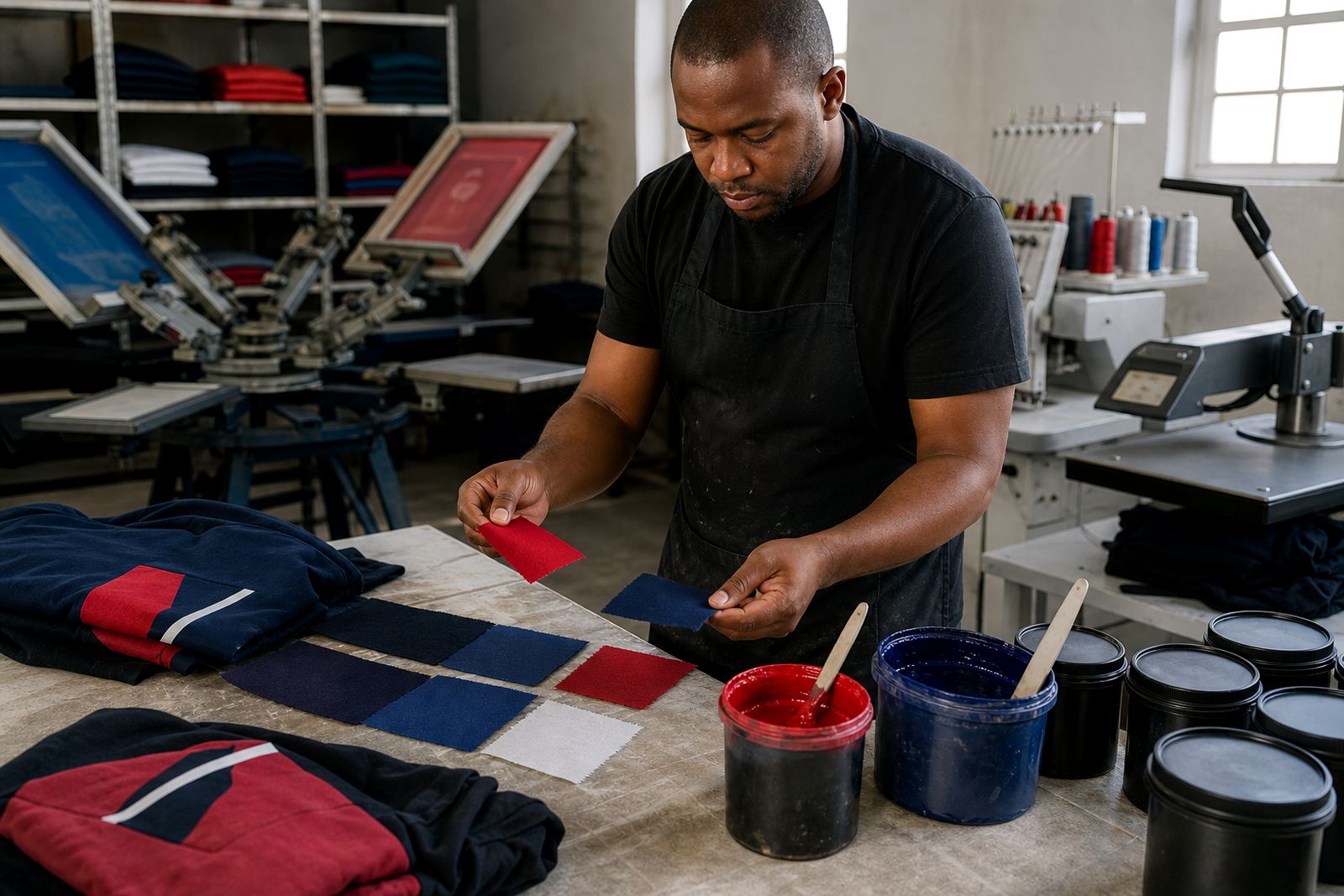
Sampler day agenda sets out how a studio uses one day for swatch review without losing half the shift to guesswork. It focuses on colour packs, positive film, thread palette cards, and the handwritten swatch notes that travel with each test. The checkpoints are listed in the order most South African print rooms and embroidery tables actually work through them.
A sampler session can slip quickly when film, ink and thread references sit in different trays with no agreed order. Keep the morning to one sequence so the first approved sample stays traceable to the exact pack, mesh or cone used. That matters when a studio is testing both print and embroidery options for the same client brief.
The agenda also helps when two teams use different terms for the same approval point. One team may ask for a deeper black on the print, while another is actually flagging thread coverage on a filled area. Writing the check beside the sample card reduces repeated test pieces and keeps handover notes short enough to read at the table.
Sampler day bench order
Start by laying out the swatch note, the chosen colour pack and the matching film or thread references before any sample is pulled. Next, mark who is signing off each stage, then separate print approvals from embroidery approvals on the agenda sheet. Once the first acceptable sample is made, attach the note straight away so later comments do not drift onto the wrong piece.
- Client name and sample purpose recorded
- Colour pack code matched to test piece
- Thread shade changes marked during review
- Next person receives one clear handover note
- Swatch note clipped to every approved sample
When a power cut interrupts the session, keep the latest approved pull, its note and its reference pack together before power returns. In coastal studios, moisture can affect film handling and paper notes, so dry storage near the sampling bench matters. Reject samples should stay in a separate sleeve so they are not mistaken for the signed set later in the day.
Related pages for sample planning
Use Colours to match packs for test runs, check Studios for setups that fit your bench layout, and open Resources for printable swatch paperwork. If a sampling query needs extra detail, use the contact form and say which sample type you are running.
A clear message works best when it names the material under review and shows one photo of the accepted or failed sample. Mention whether the job is screen print, heat transfer, DTG support work, or embroidery so the swatch note can be read in the right context. Studios in Durban or other humid areas should say so, because storage conditions change how film and thread references behave across the day.
A showroom viewing at Clearwater, Cresta, Pavilion or Tyger Valley can be used to plan how a sampler day should run. Bring the swatch sequence, film references, and thread palette notes so the plan matches the work on your studio table. A phone gallery full of random colour grabs helps less than marked sample pieces.
What our Print and Embroidery Supplies customers say
Verified Google reviews
Tell us about your print room
Send a note through our contact form with the garments and fabrics you decorate, the print or embroidery method, the colours you need matched, how much you run in a month and your area, and we will come back with practical supply options and a quote.
Open the contact form