

Coastal powder caking
Close trays between jobs on the coast.
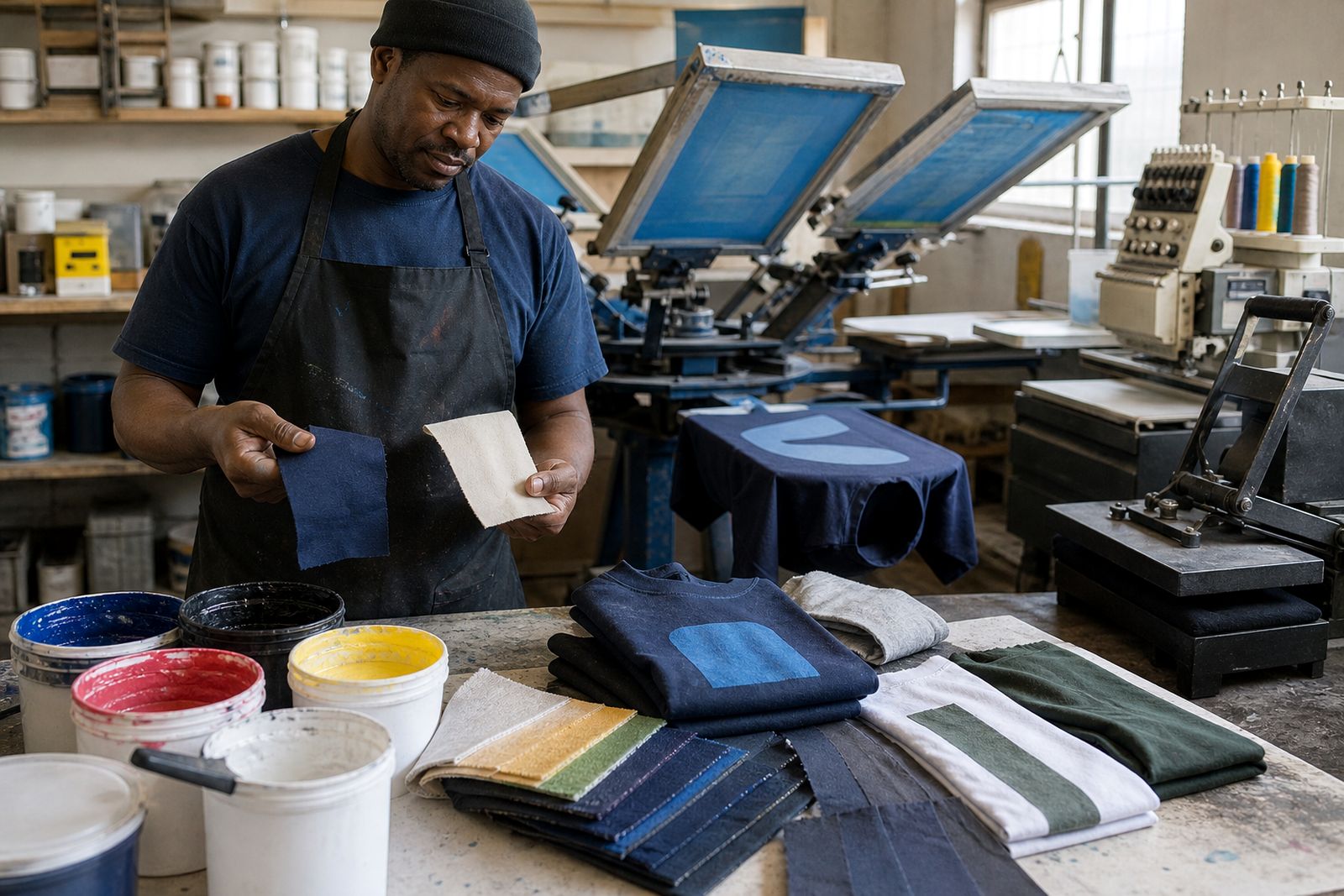
Coastal moisture and powder bins
Helps keep powder adhesive usable in coastal print rooms and embroidery prep areas.
In Durban, Gqeberha, and Cape Town workshops, fine adhesive powder can pull moisture fast, then form lumps that sift badly through film work. The note is aimed at operators who need quick checks on tray lids, scoop handling, and storage between runs.
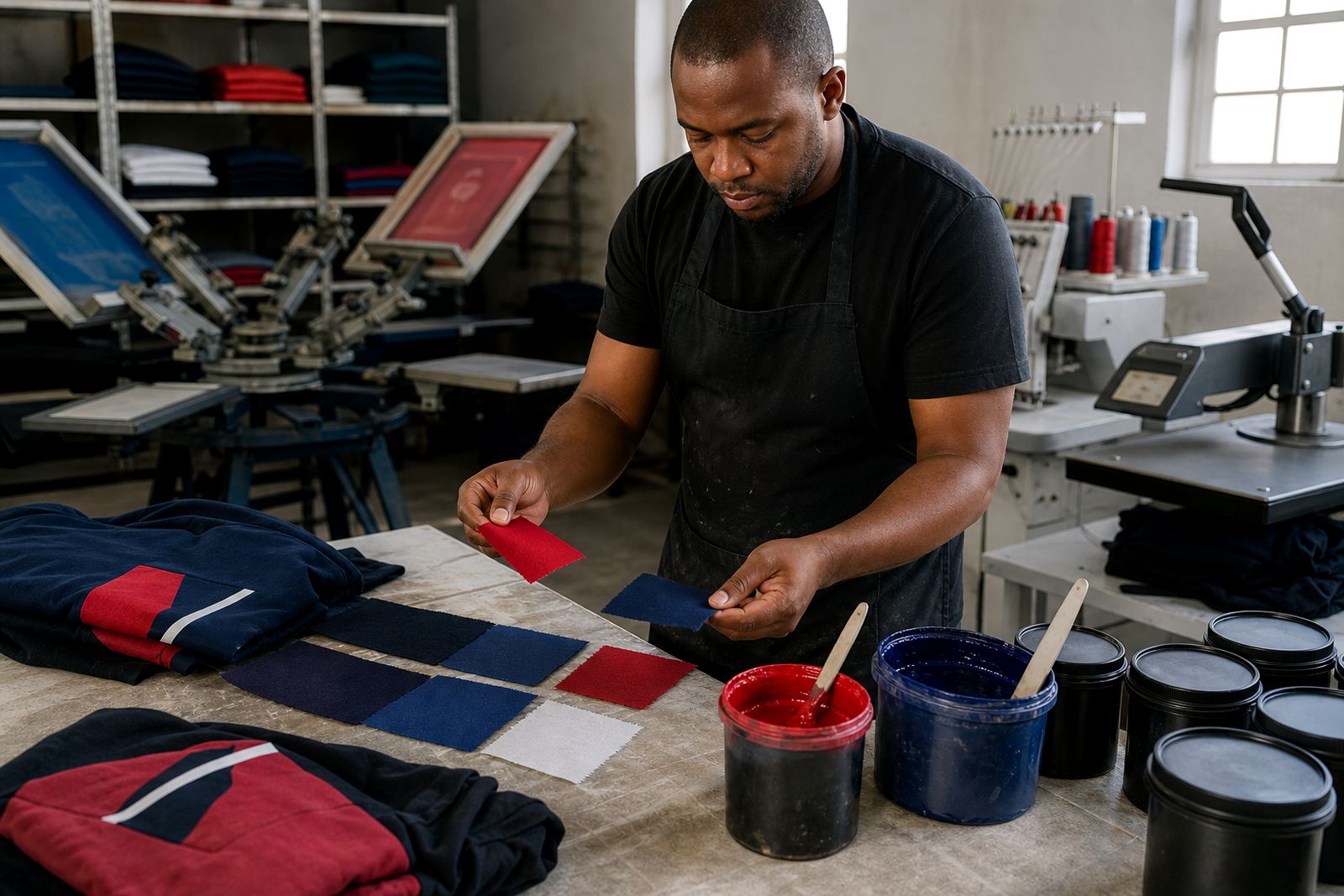
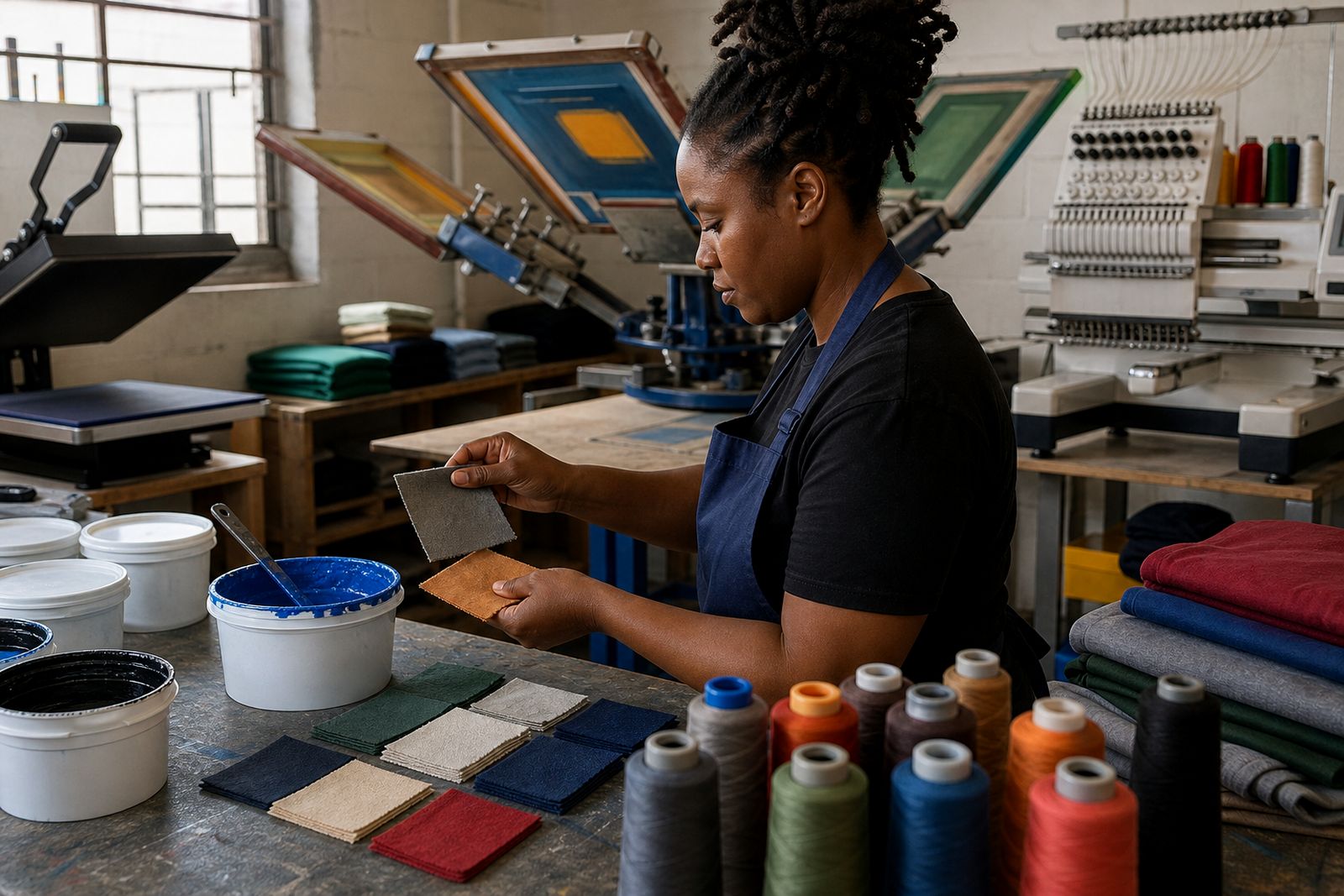
A caked powder batch shows up first in uneven dusting and patchy bond on transfers. Some studios only notice it after a press test, when edges stay clean but the centre grabs too much. Keep the relevant swatch note with fresh stock and compare it against powder that has sat open near wash bays or roller doors.
The wording here fits handoffs between coastal sites and inland teams ordering the same consumables. One room may blame mesh or film, while another spots damp powder straight away. Shared terms on the job card help crews record whether the issue came from storage, weather exposure, or contaminated scoops.
Shift checks for powder handling
Start by inspecting the powder surface before the first coat or transfer pass. Break open any suspect lumps by hand only for checking, then bin material that stays gritty or sticky. When film is involved, test a small section first and compare melt consistency before loading the main run.
- Tray lid closed between every sample pull
- First test sheet marked with powder batch
- Clumps, dampness, or odour noted on ticket
- Scoops kept dry and returned clean
- Swatch note attached to transfer job file
If power drops during the day, seal the powder container before anything else. Open trays left in humid air can harden by the next shift, especially near the coast after rain. Preferred practice is to label part-used tubs with the date opened so older stock gets checked before fresh stock is cracked.
Related stock and support pages
Browse Colours for matching ranges, Studios for setup context, and Resources for printroom reference sheets. Use the contact form if you need to identify whether caking came from storage conditions, handling, or an older batch.
A note on the powder surface and one transfer sample gives useful context. Mention whether the stock was kept near the press, in a storeroom, or close to outside air. For coastal plants, include the city and whether the container had been left open during the shift.
Teams at Clearwater, Cresta, Pavilion, and Tyger Valley can compare swatch notes with physical samples. Bring the film, transfer or thread sample that showed the issue.
What our Print and Embroidery Supplies customers say
Verified Google reviews

Tell us about your print room
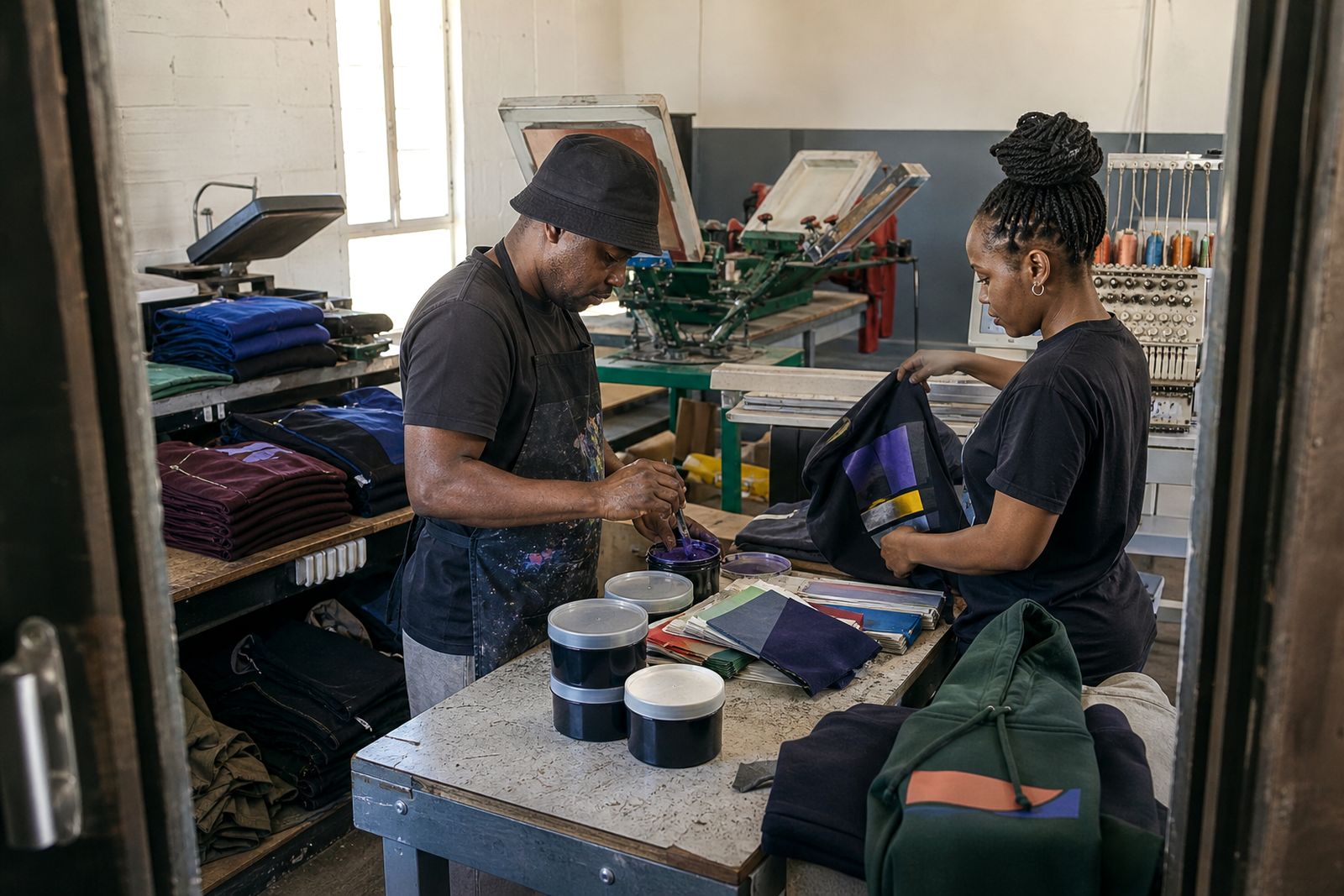
Send a note through our contact form with the garments and fabrics you decorate, the print or embroidery method, the colours you need matched, how much you run in a month and your area, and we will come back with practical supply options and a quote.
Open the contact form