Event drop calendars
Lock art dates before neon accents open.
Dates that affect print runs
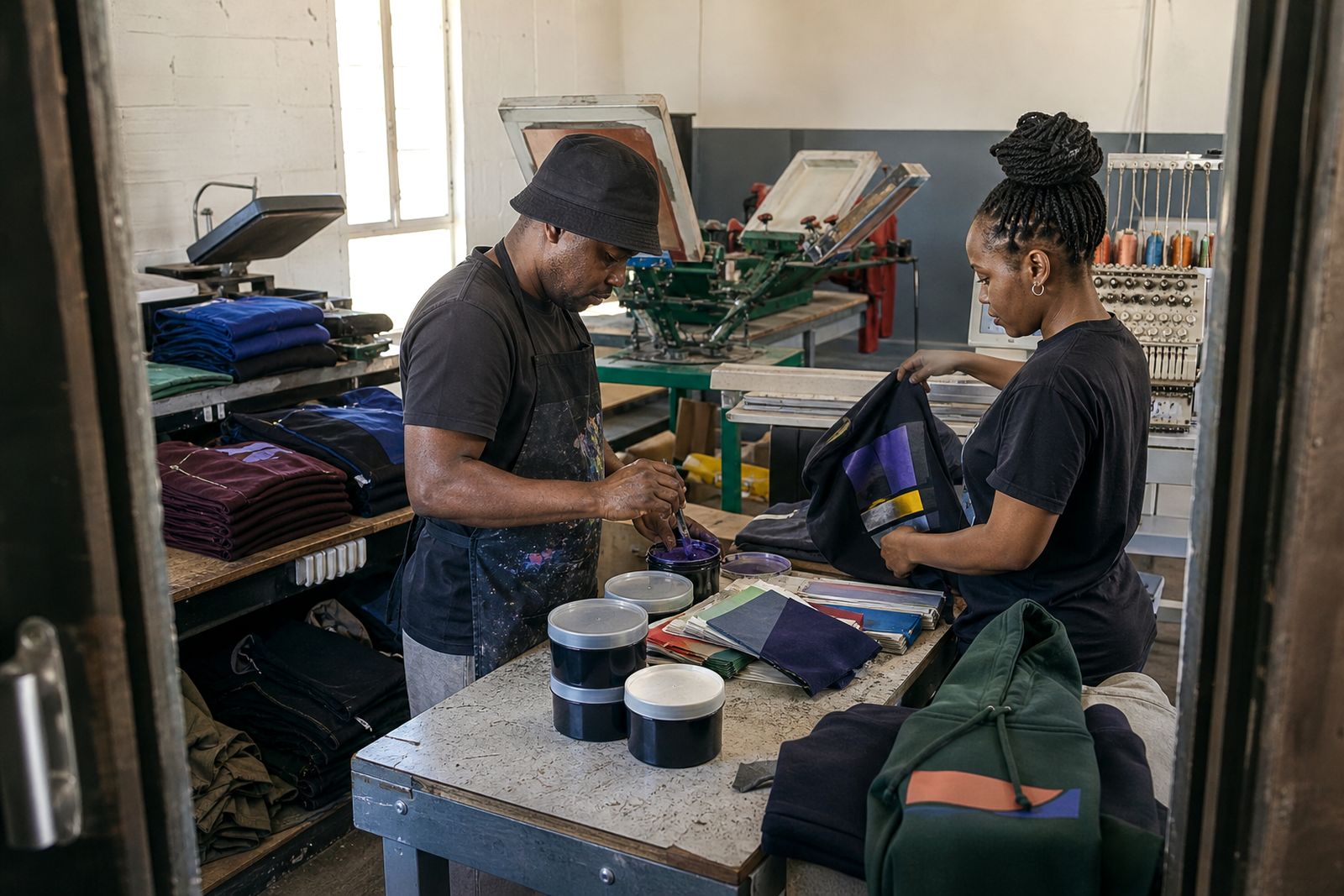
Marks out key dates for colour packs, event films, and thread palette approvals before a campaign goes to print or stitch. Studios use these calendars to line up sponsor art, team kit changes, and late venue updates across one workable schedule.
Event drop calendars help South African studios fix artwork, sampling, and production windows around launch dates that cannot move. For print and embroidery work, that usually means noting when colour packs must be signed off, when film output is cut, and when thread substitutions stop. Teams juggling expo drops, school fixtures, retail activations, and club merchandise can use this as a guide.
Many swatch choices look fine until the event date pulls forward and the studio has no room left for a remake. Early timing checks stop rushed decisions on mesh counts, underbase choices, or thread matching. Keep them with your swatch records and any client art deadline sheet on the job board.
In Gauteng, Durban, and Cape Town, the same release can be described three different ways by sales, design, and production. One person says launch, another says handover, and the machine room hears approval to print. Event drop calendars give each stage a named date so artwork, film, ink mixing, and finishing are not guessed from chat messages.
Checks before release day
Start with the event date, then count backward to proofing, film output, screen prep, and final packing. Where embroidery is involved, lock the thread palette before digitising changes start multiplying sample time. For printed pieces, note the last safe day for neon accents, metallic layers, or special stock so the press plan stays usable.
- Art lock date on the job card
- Film output booked before approval crunch
- Thread changes closed before sampling
- Pack-out date matched to venue handover
- Swatch notes attached to the ticket
When power cuts hit or courier collection shifts, protect the dates tied to approval and dispatch first. A missed photograph matters less than missing the final film run before an exhibition build. Coastal studios should also leave room for slower drying and storage checks when humidity affects prints or backing materials.
Useful pages for planning
Open Colours to match event shades, check Studios for routines that fit your setup, and use Resources for reference sheets your team can keep beside the press or embroidery head. If a scheduling issue needs our input, use the contact form and include the event date, product type, and city.
A single image of the approved swatch, plus the required handover date, gives clearer context than a long chain of mixed notes. We can read the job faster when the missing decision is stated plainly. If the work is for a coastal venue or winter inland activation, include that detail because storage and drying conditions can alter planning.
Sample discussions at Clearwater, Cresta, Pavilion, and Tyger Valley are easier when the calendar points are written down in order. Bring the event name, release date, and the swatch or thread reference being questioned.
What our Print and Embroidery Supplies customers say
Verified Google reviews
Tell us about your print room
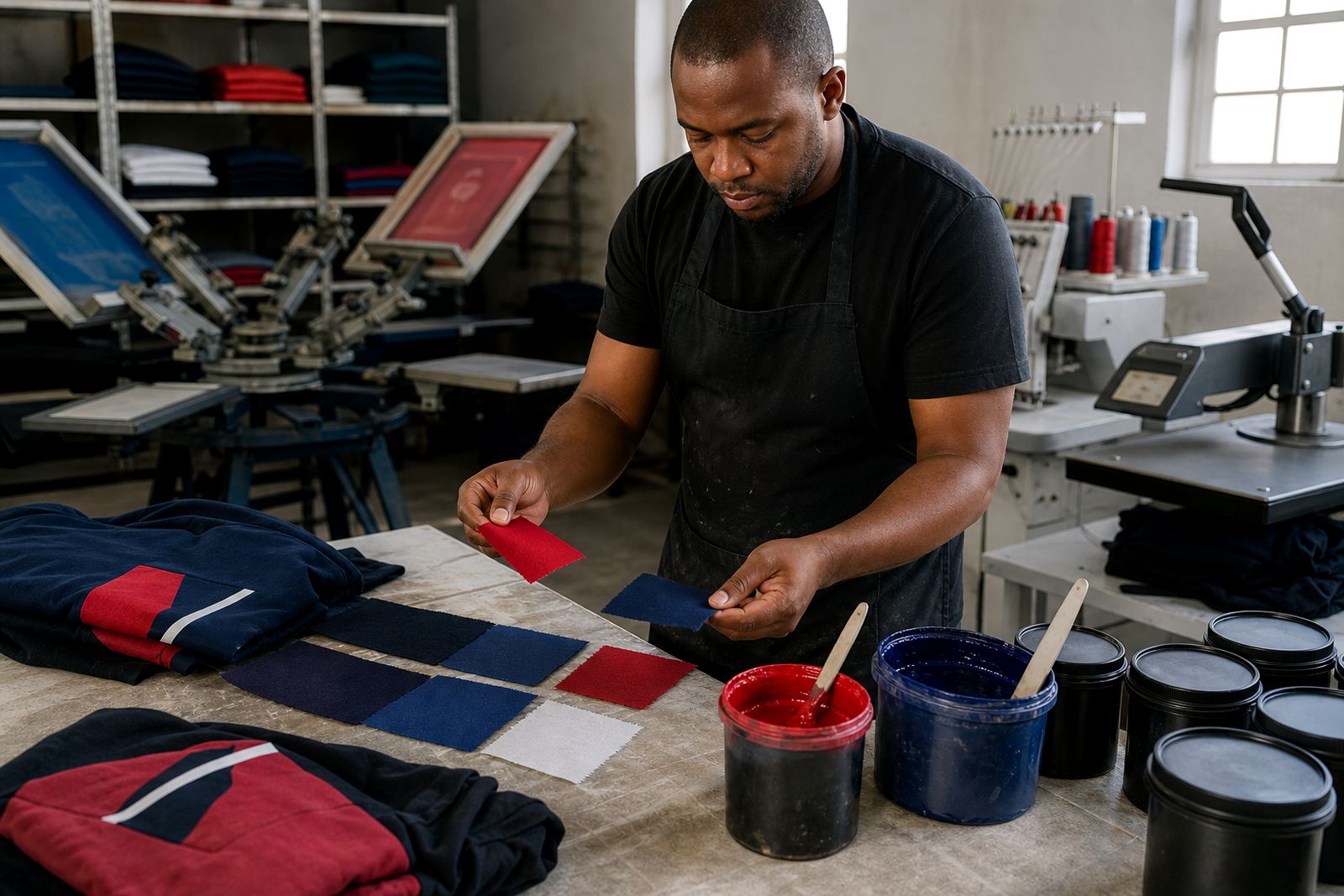
Send a note through our contact form with the garments and fabrics you decorate, the print or embroidery method, the colours you need matched, how much you run in a month and your area, and we will come back with practical supply options and a quote.
Open the contact form