Lot logging basics
Stickers, photos, and one notebook that survives a loud bay.
Lot numbers that stay useful
Covers dye lot books, bag labels, and shelf notes that still make sense after a noisy print day.
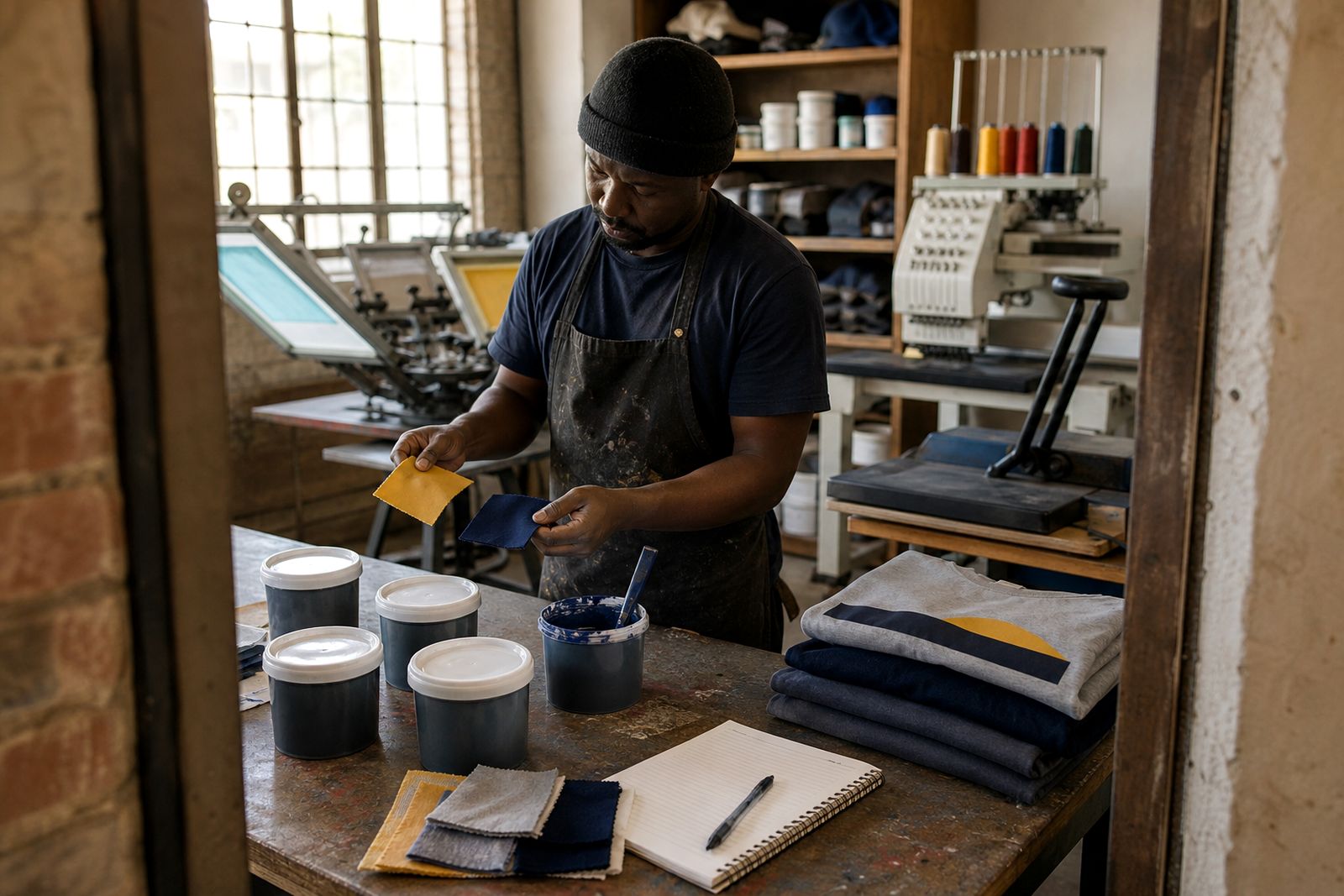
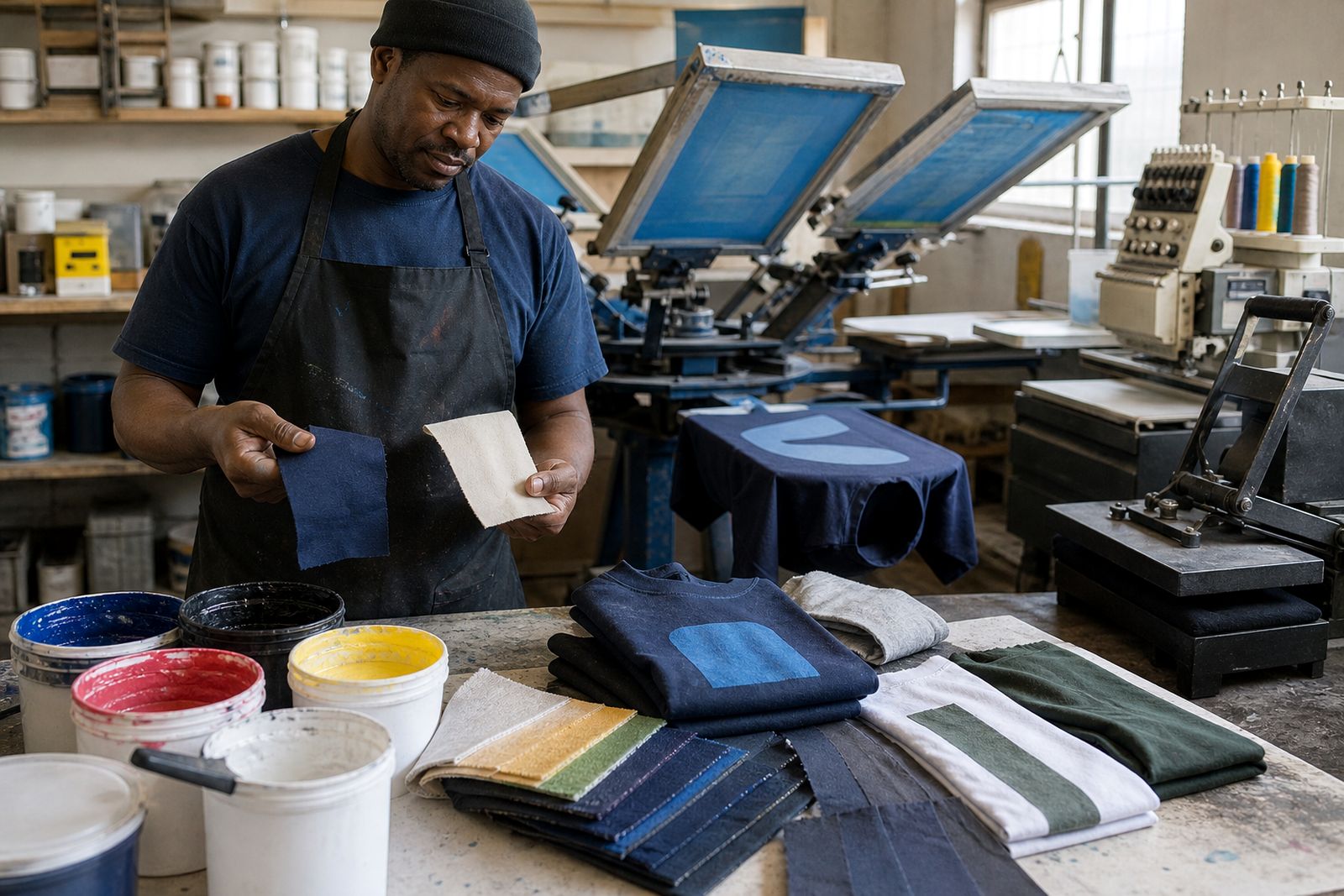
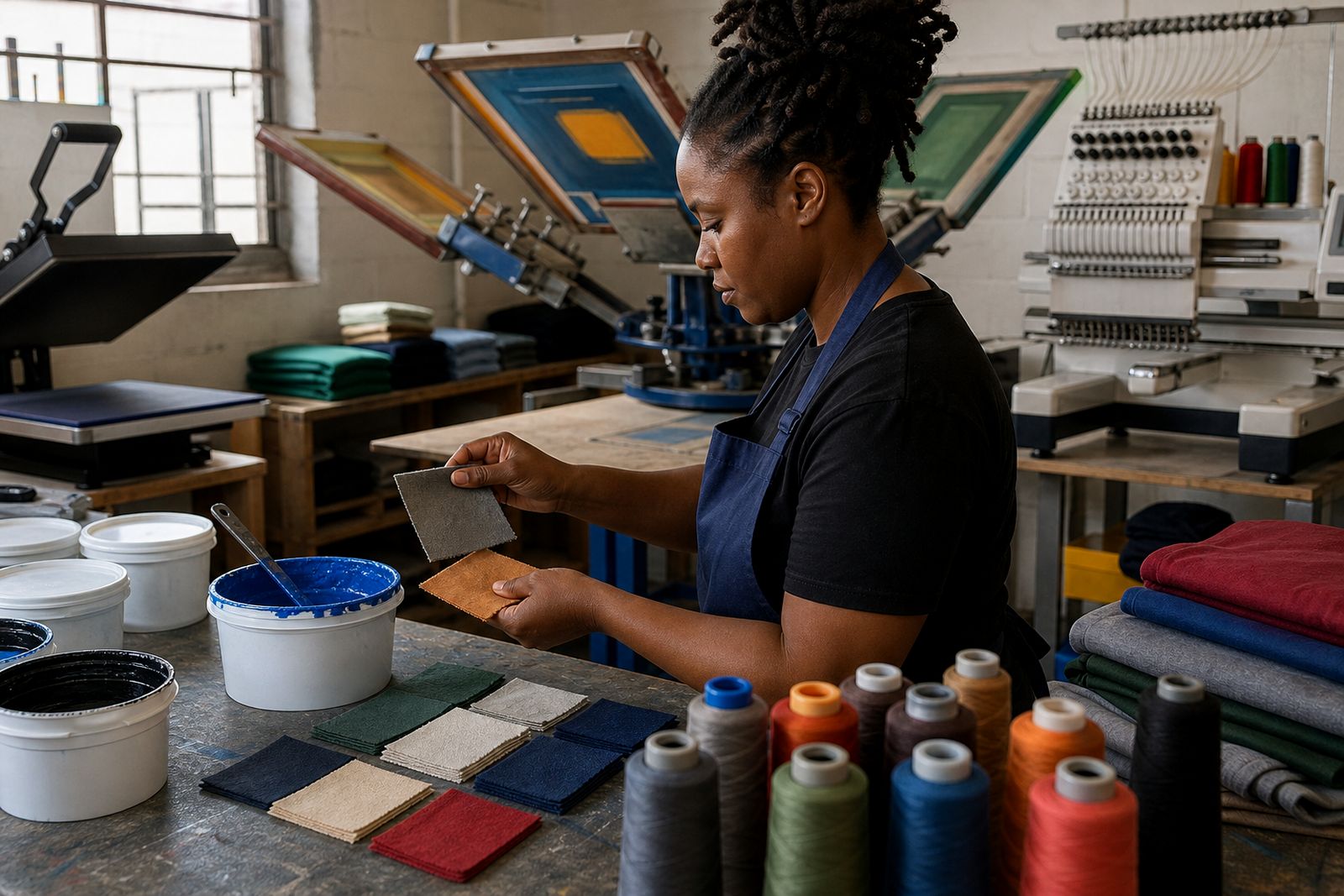
Lot logging basics is for the bench where inks, films, threads, and swatches change hands all day. It frames the details that get missed first: batch stickers on colour packs, thread cone codes, film packet dates, and where those numbers are copied when the bay gets busy. The note keeps the wording short enough for shift handovers and stock checks.
A South African studio can lose half a run when one refill came from a different lot and nobody marked it on the job card. Tie the physical item to the notebook, the phone photo, and the sample swatch in one simple record. Keep it next to the colour specs sheet when matching repeat work.
The draft came from hearing the same stock issue described three different ways in Midrand, Pinetown, and Cape Town bays. One operator logged the bucket code, another wrote only the shade name, and the finisher kept the empty label in a pocket. Here the record starts with one shared reference so reorders, remakes, and claims point to the same lot.
Start of shift lot routine
Begin with the pack, reel, or cone in your hand and write the lot number before it is opened. Next, stick one label on the job sheet, write the lot beside the swatch, and note the date and machine or table. Where more than one lot is used on a single order, mark exactly where the change happened in the run.
- Lot number copied from original label
- Photo shows code beside swatch
- Change point marked on job sheet
- Next shift knows which stock stayed in use
- Notebook page matches ticket reference
When a power cut hits, protect the written lot record and the label photo before tidying samples. Loose lids, cut film sleeves, and spare thread cones should go back to one marked tray so codes do not drift away from the material. In coastal shops, damp labels can curl, so a second note in pen matters more than the sticker alone.
Useful pages after this
Open Colours for matching packs, Studios for setup examples, and Resources for printable sheets that suit bay boards and notebooks.
One sharp image of the packet or cone usually helps more than a long explanation. Include the unresolved point, such as a shade difference, missing sticker, or split batch on one order. Mention if the studio is inland or coastal, because storage conditions can affect labels, film flatness, and how samples are kept.
If you are comparing swatches in person at Clearwater, Cresta, Pavilion, or Tyger Valley, bring the notebook and the actual label. The photographed packet from the day of the run is more useful than trying to trust memory.
What our Print and Embroidery Supplies customers say
Verified Google reviews

Tell us about your print room
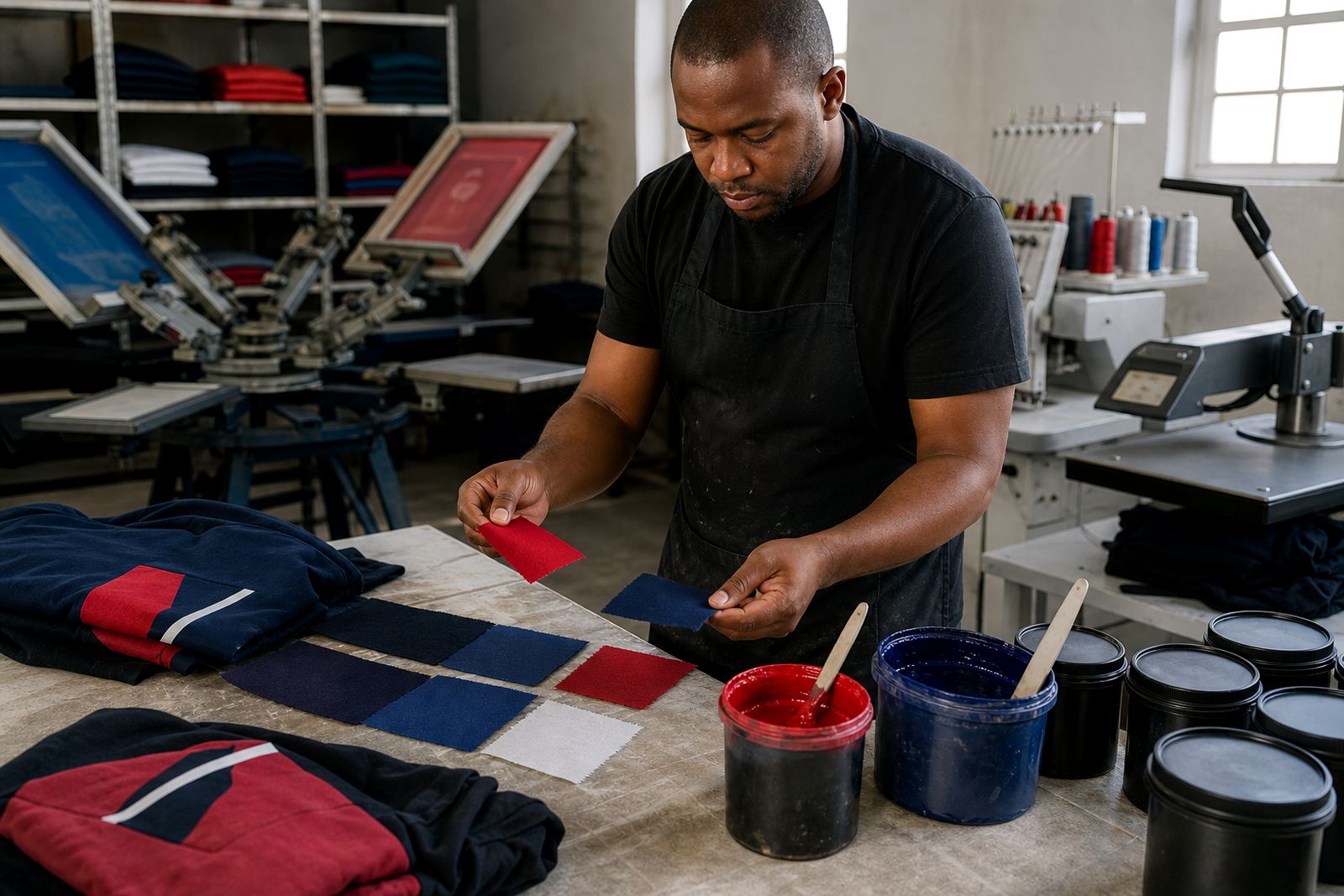
Send a note through our contact form with the garments and fabrics you decorate, the print or embroidery method, the colours you need matched, how much you run in a month and your area, and we will come back with practical supply options and a quote.
Open the contact form