
Coastal humidity studio
Durban and Cape rooms that close trays between jobs.
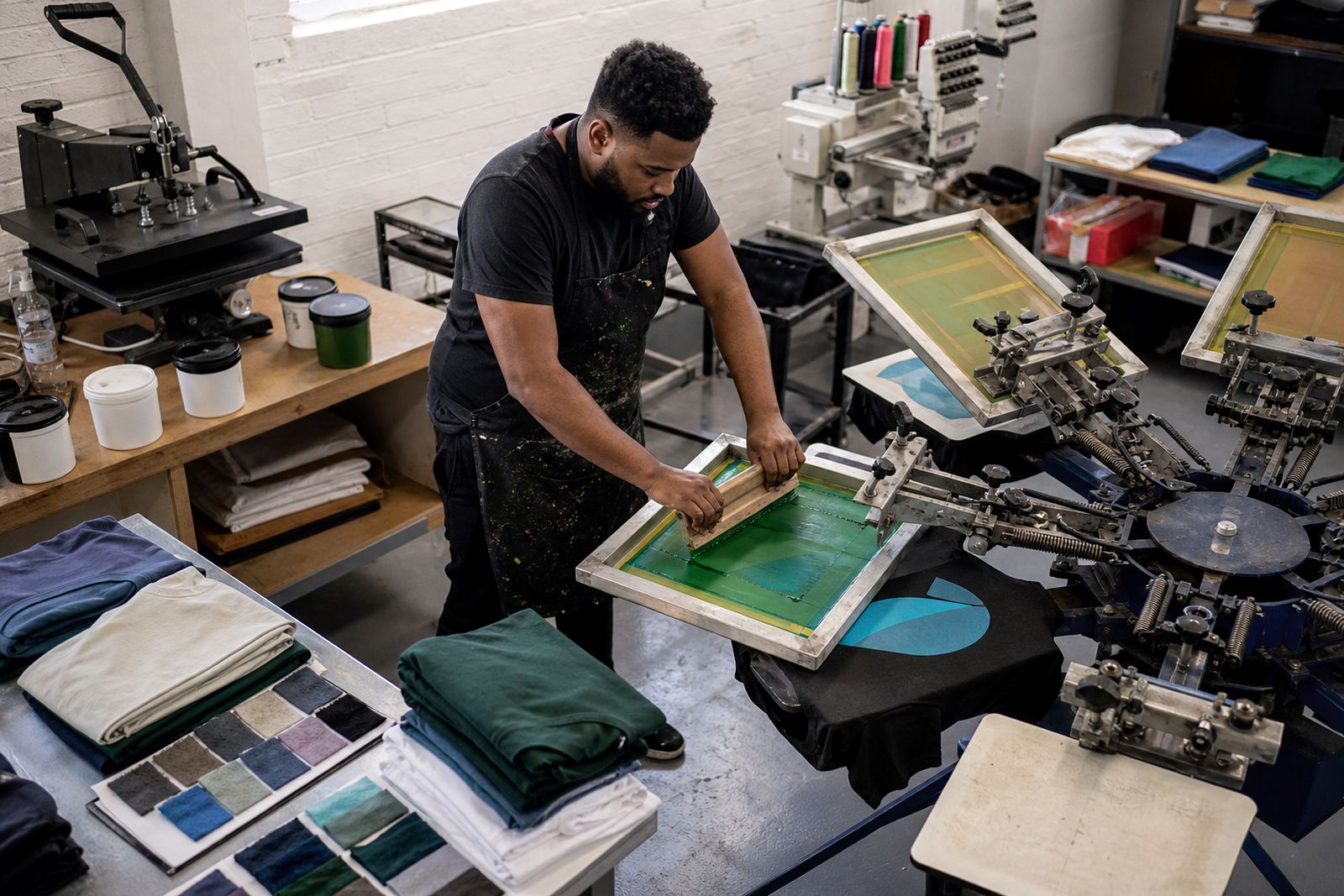
Durban tray-closing routine
For Durban or other coastal rooms, send the room humidity, the target density, and the stock through the contact form. Moist air changes how film sits, how thread cards read under lights, and how quickly lids need to close between pulls. We can then match you to the coastal humidity set and the right swatch note for repeat checks.
Studios in sea air and warm rooms can see ink behaviour shift across a shift. Covered trays, shorter exposure of film and steady colour references keep these coastal humidity studio notes on track, with the coastal humidity set as the main route. A swatch note stays with the job card so press, print and embroidery staff describe the same shade the same way.
Start by marking the room, mesh and ink family on the docket before anything is opened. Next, bring out only the colours needed for that run and close each tray again after charging the screen. Later in the shift, check film curl, thread shade match and any moisture on lids or benches. End the day by noting which inks skinned over, which held body, and what must be remade.
Coastal conditions in Durban and nearby areas often show up first as slower drying, softer edges or film that will not lie flat. Teams lose usable detail when trays sit open while garments are counted or frames are moved. If power cuts affect air movement or curing time, record the interruption on the check card and inspect the next pulls before restarting bulk work.
Humidity checks at the bench
Each humid-room job needs one colour pack choice and one swatch note that travels with it. The pack sets the usable range for print or embroidery, while the note records what the operator saw in that room on that day. When you use the contact form, include the studio name, city and whether trays are being closed between jobs.
- Room noted with city and humidity risk
- Tray lids used between every colour change
- Film stored flat before exposure begins
- Thread shade checked under working lights
- Follow-up note scheduled
Studios handing work between Durban, Cape rooms or inland sites should state what changed in the air, storage or curing setup. That note matters when one room keeps trays shut and another leaves stock open on the bench.
Common spoilage in sea air
This route breaks down when humid-room controls are ignored and the job is treated like a dry inland run. Trouble also starts when extra substrates are added midstream, such as film work after a garment setup or new thread palettes during a repeat order. Keep the specification tight and log any change before more stock is pulled.
Most wastage here comes from moisture exposure, open trays and rushed restarts after a stoppage. Pair the coastal humidity set with the matching swatch note, then send details through our contact form with the city, substrate and whether the room is near the coast.
Primary route: Coastal humidity set. Browse more under colours and swatches.
What our Print and Embroidery Supplies customers say
Verified Google reviews
Also worth a look

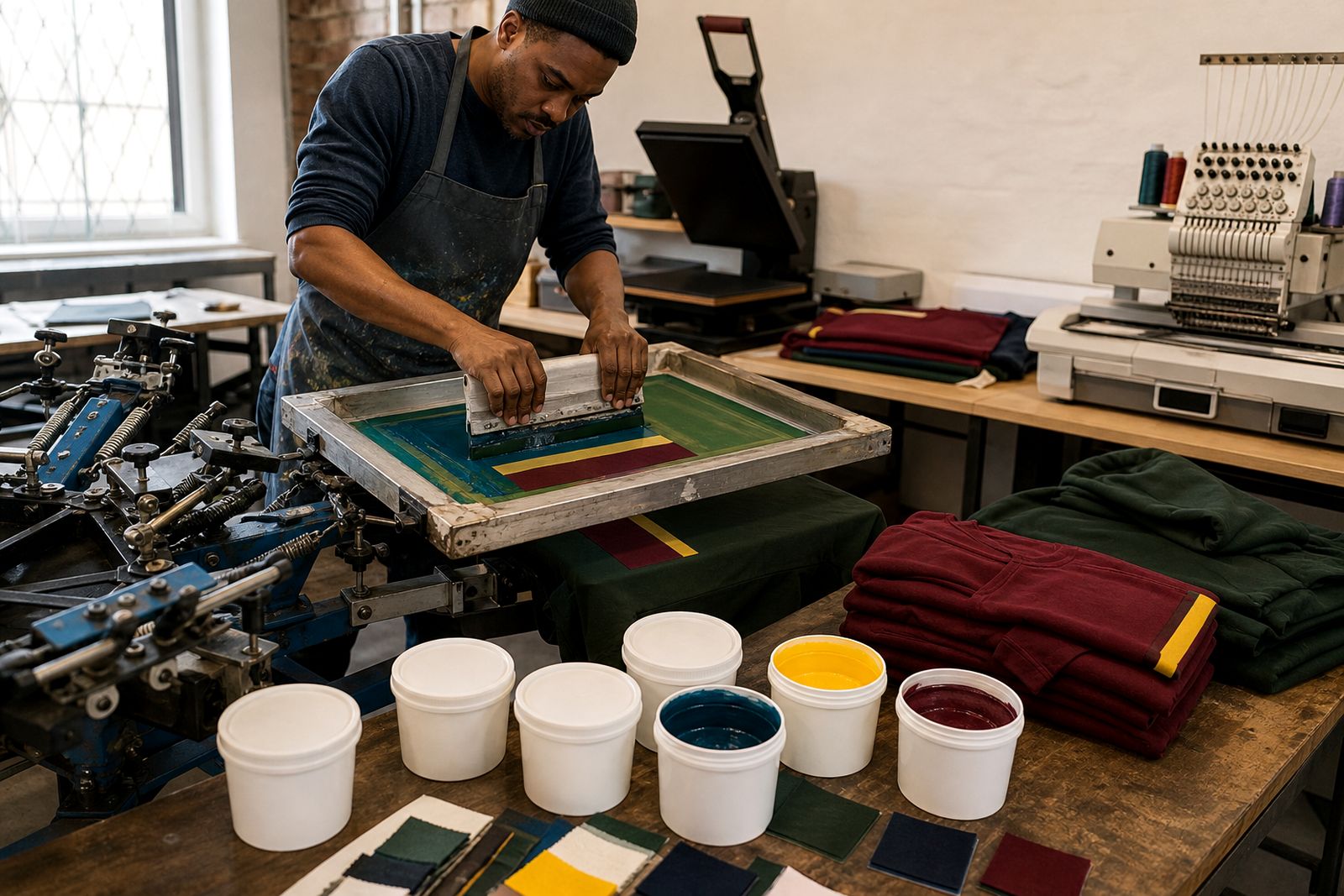

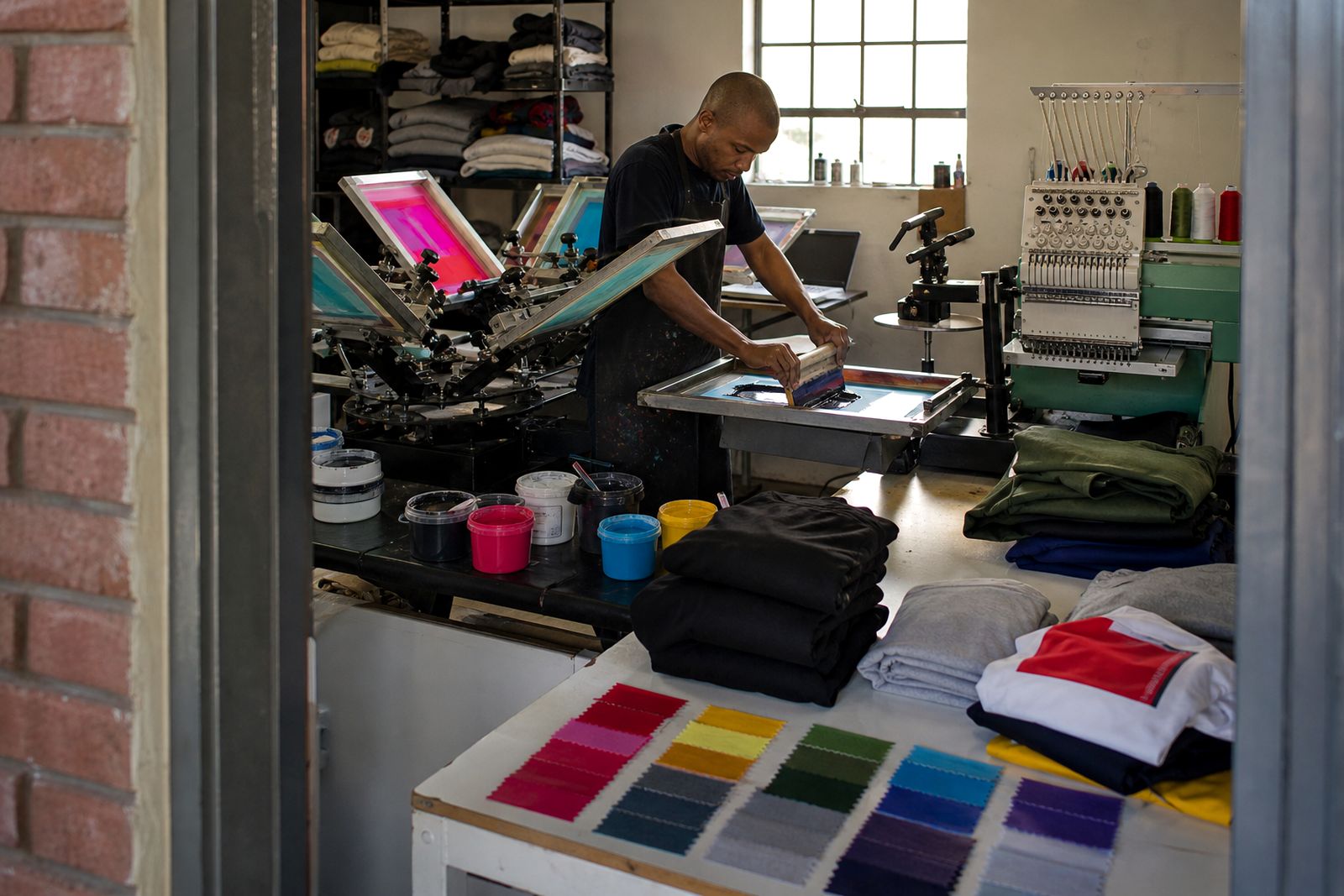
Tell us about your print room
Send a note through our contact form with the garments and fabrics you decorate, the print or embroidery method, the colours you need matched, how much you run in a month and your area, and we will come back with practical supply options and a quote.
Open the contact form