Sea Point soft hands
Soft hand packs for fashion tees under cool light.
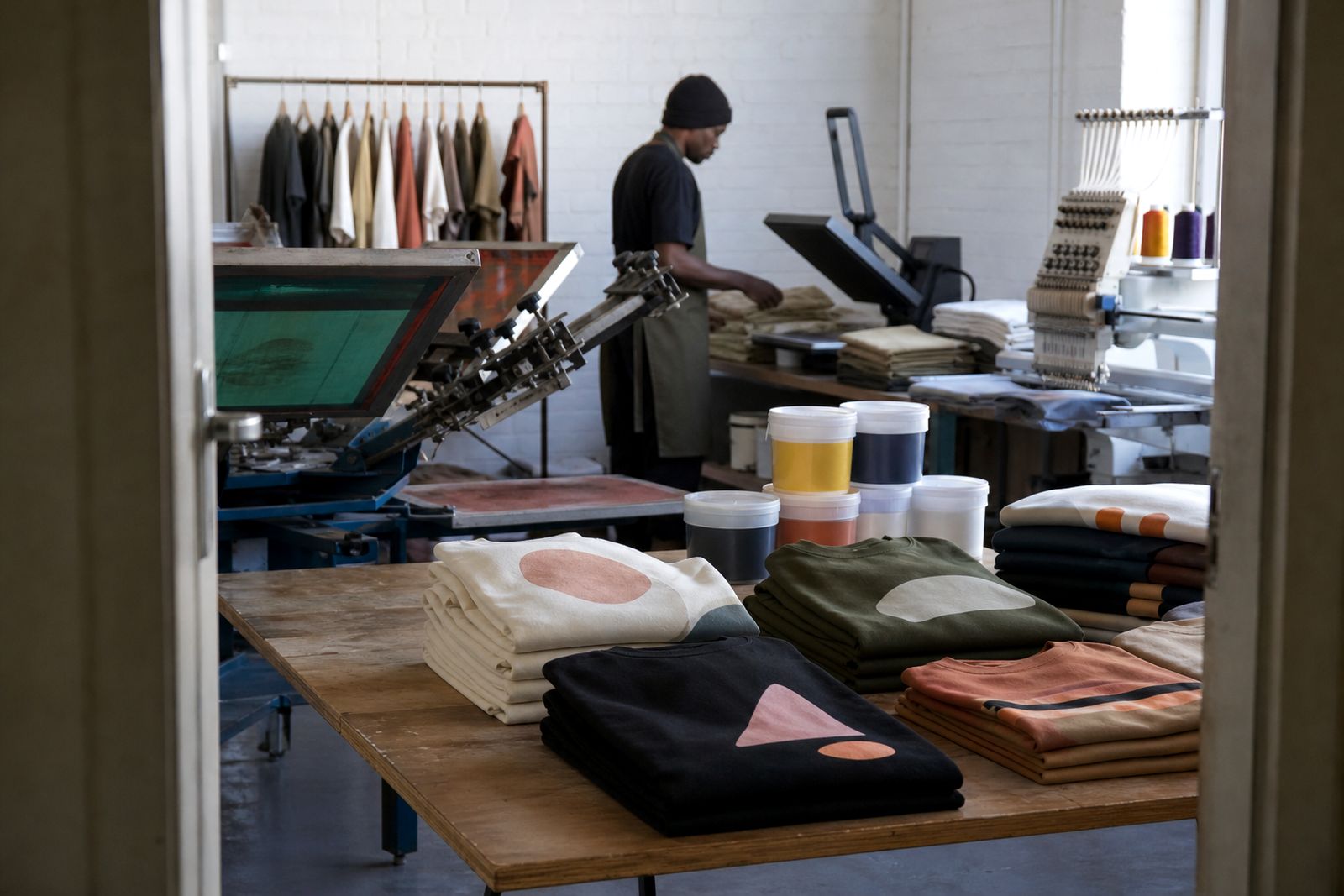
Sea Point soft hand setup
Soft hand packs for fashion tees under cool light. The brief stayed narrow: one primary colour route, one check card, and a swatch note the plant could keep on the job file. We write the sequence the press lead can defend.
Place: Sea Point. Studio and ink systems were confirmed before the first impression ran. The first good impression was photographed for the press lead's records.
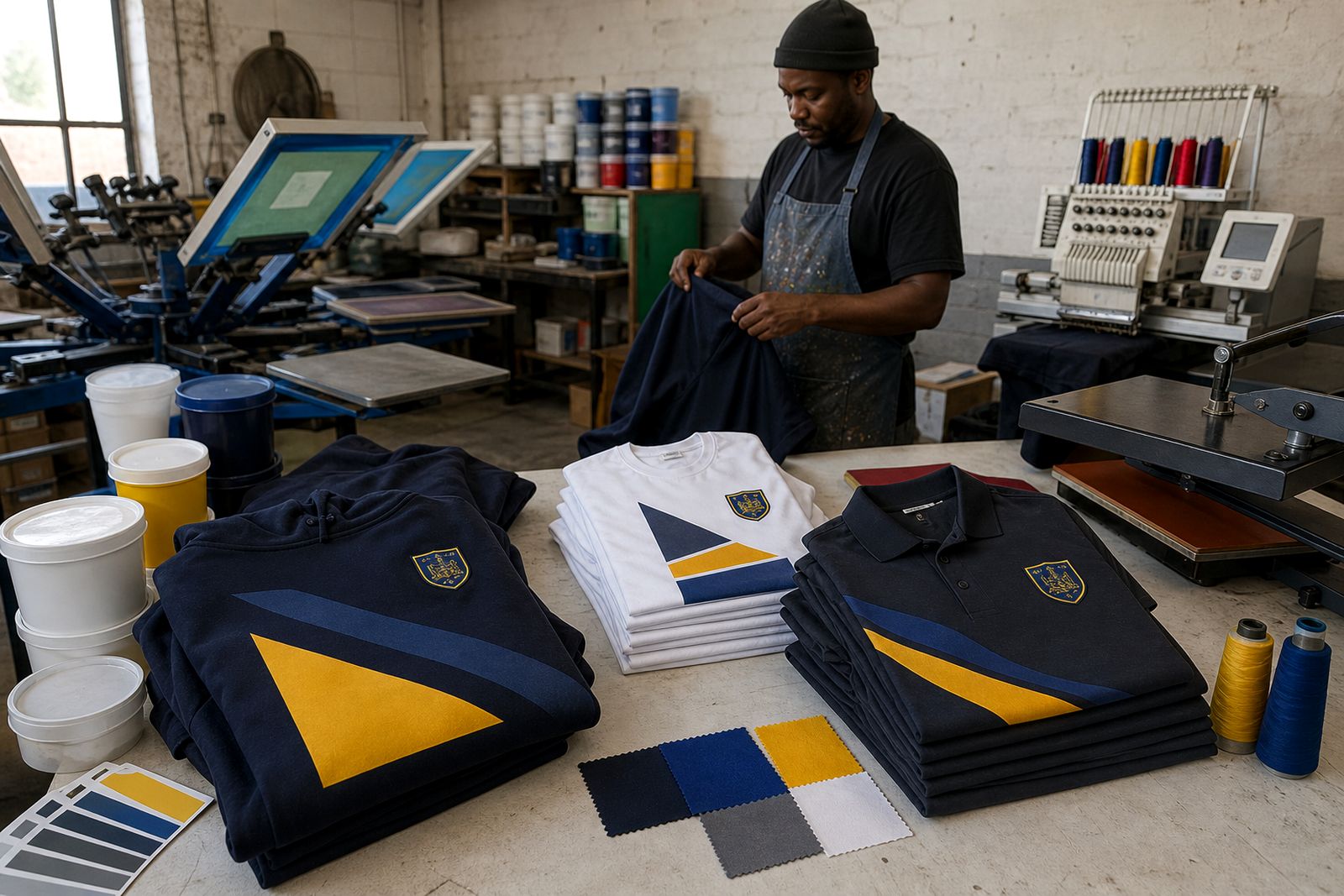
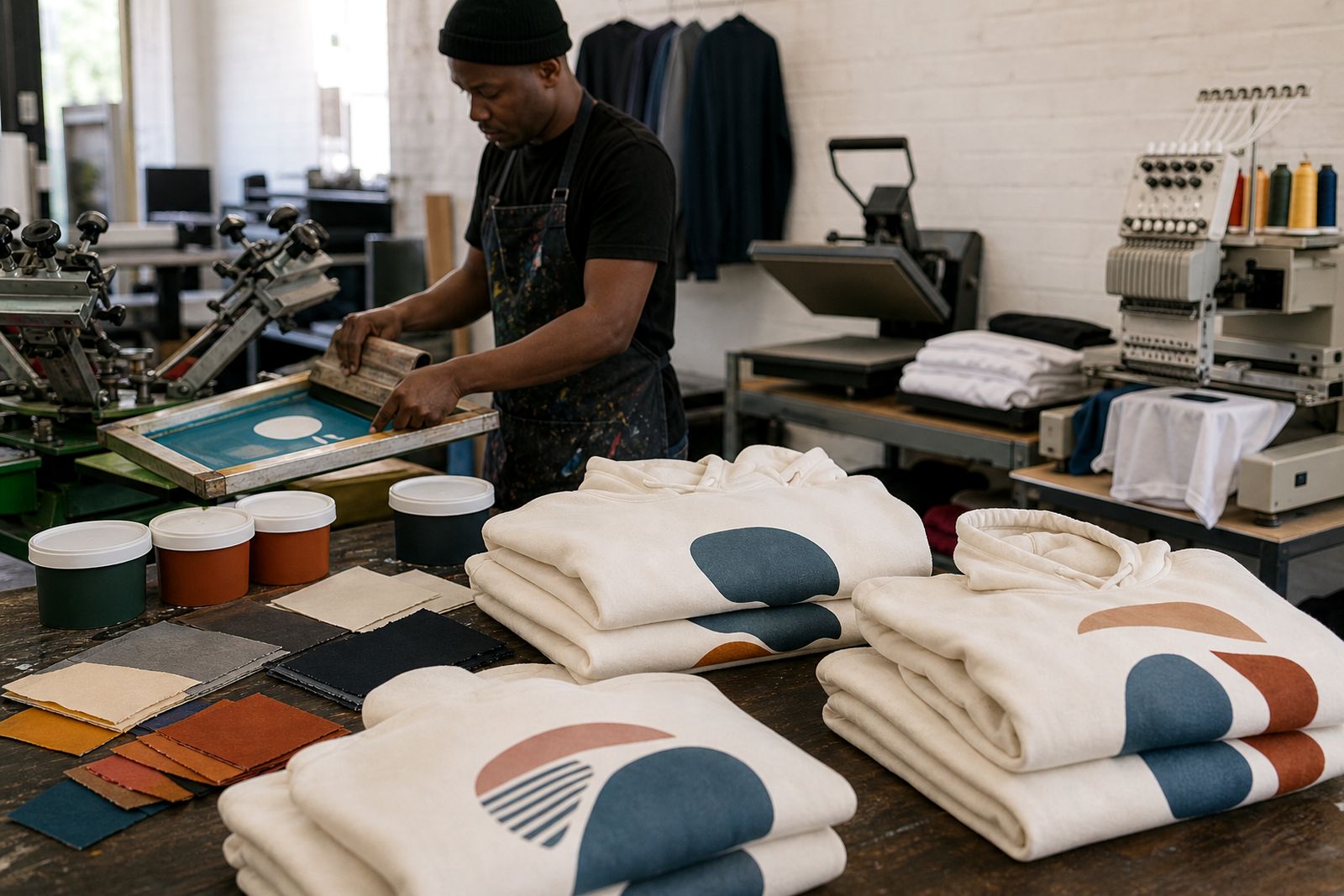
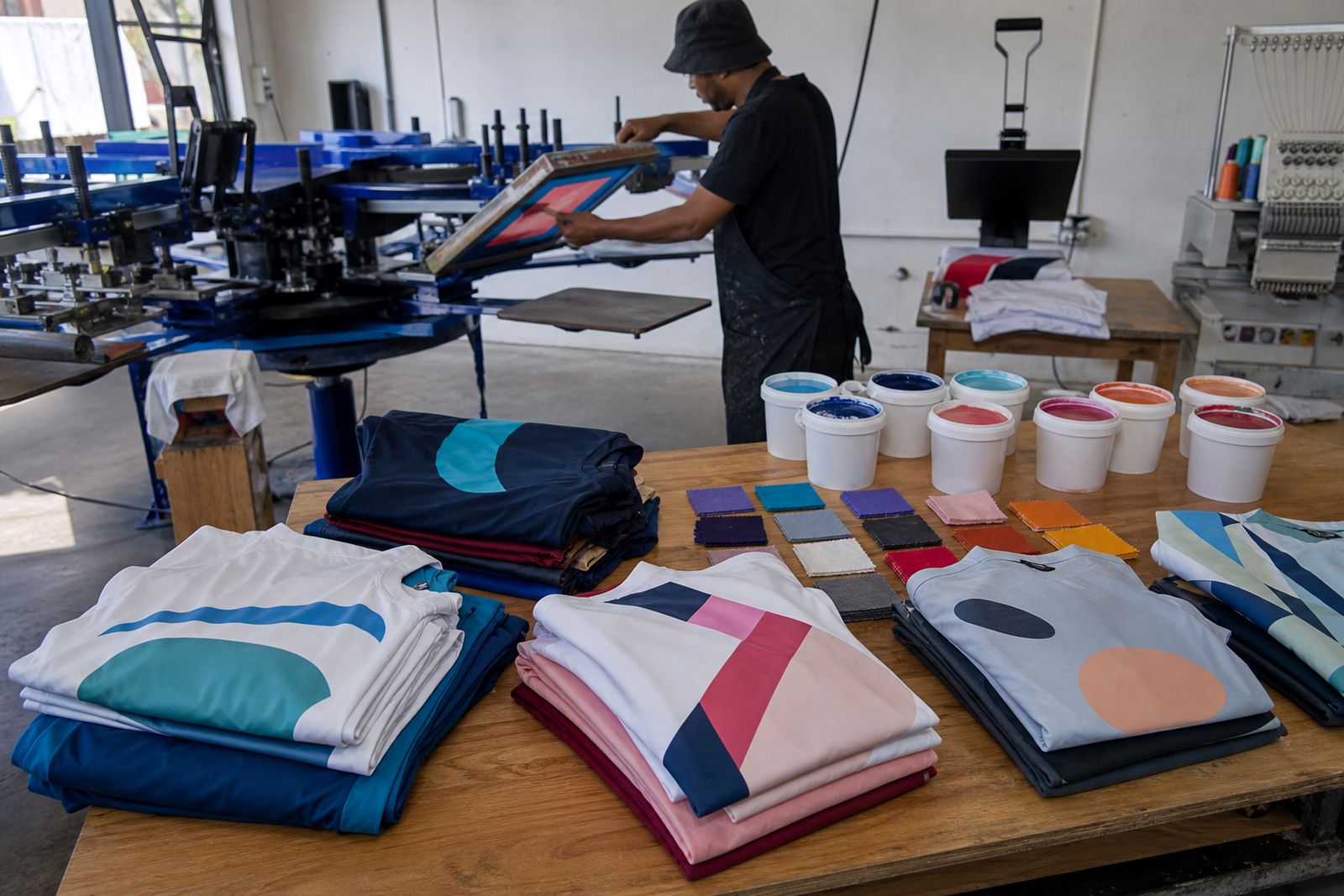
For Sea Point, the pack was built for fashion tees that had to stay soft under cool light. The press lead worked from one approved colour route, then matched it against a single check card before speed increased. Early pulls were photographed and sent to the plant WhatsApp so the job folder held the first acceptable impression, not a later guess.
Checks that held in Sea Point
Sea air, lint from tee blanks, and quick SKU changes can throw soft-hand printing off before lunch. At Sea Point, the useful habit was to capture the first acceptable impression under the same cool light used for approval, then file the check card where the press lead could reach it during the run.
- One colour route only
- Single check card at press
- Sea Point plant photos logged
- Swatch note kept at the press
The useful record on this project was not a long wrap-up call. It was the physical check card, the saved first-good image, and the swatch note that remained at the press bay. When a rerun happens, those three references stop soft-hand tees from drifting heavier than the original brief.
Briefing soft hand fashion tees
Start with the garment type, the intended hand feel, and the light the print will sit under in store or on set. For this Sea Point job, the narrow brief mattered more than extra slides because the plant only needed one defended sequence. A short ticket with the primary colour route beats a padded pack that leaves room for interpretation.
Coastal studios should note overnight storage and morning press conditions on the ticket, especially when film and garments have sat near damp air. On soft-hand work, small shifts in moisture can change how the first layer settles into the tee. That is why the first acceptable impression was documented before the run moved into rhythm.
Browse Colours, Studios, and Swatches before the call so the language matches. Send a message through our contact form.
References kept with the plant
Sea Point kept the check card and the swatch note where the press team could reach them during repeat work. The first good impression image stayed in the job folder as the visual match point. Nothing else was needed to explain the run once the approved sequence had been written down.
If a similar project is heading to a coastal studio, include the place name, garment base, and whether the print must read softly under cool retail lighting. Mention any overnight hold on film or blank stock as well. A short honest ticket gives more value than polished wording that skips the actual press conditions.
What our Print and Embroidery Supplies customers say
Verified Google reviews
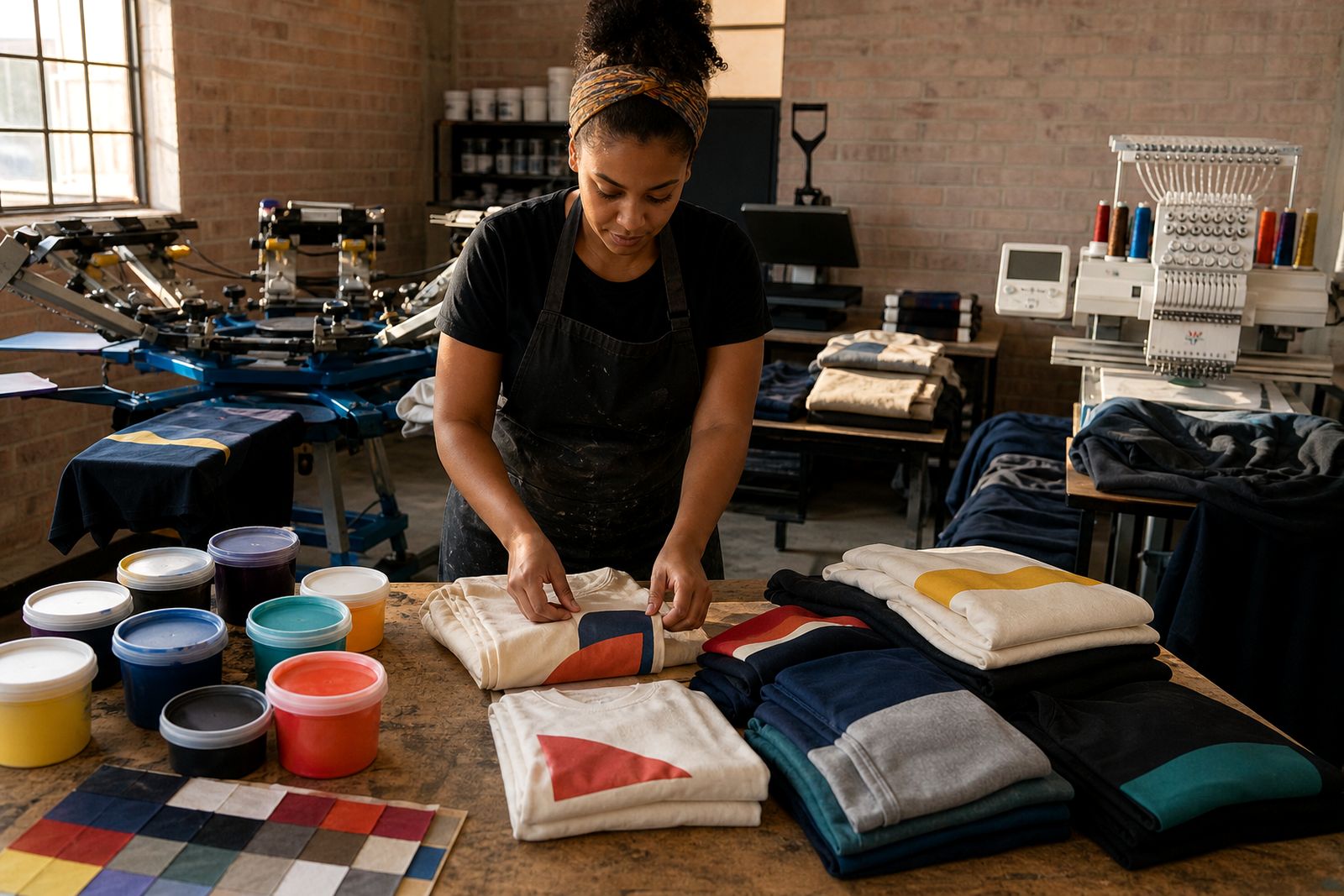
Tell us about your print room
Send a note through our contact form with the garments and fabrics you decorate, the print or embroidery method, the colours you need matched, how much you run in a month and your area, and we will come back with practical supply options and a quote.
Open the contact form