Midrand starter bay
Week-one measures for a new colour bay.
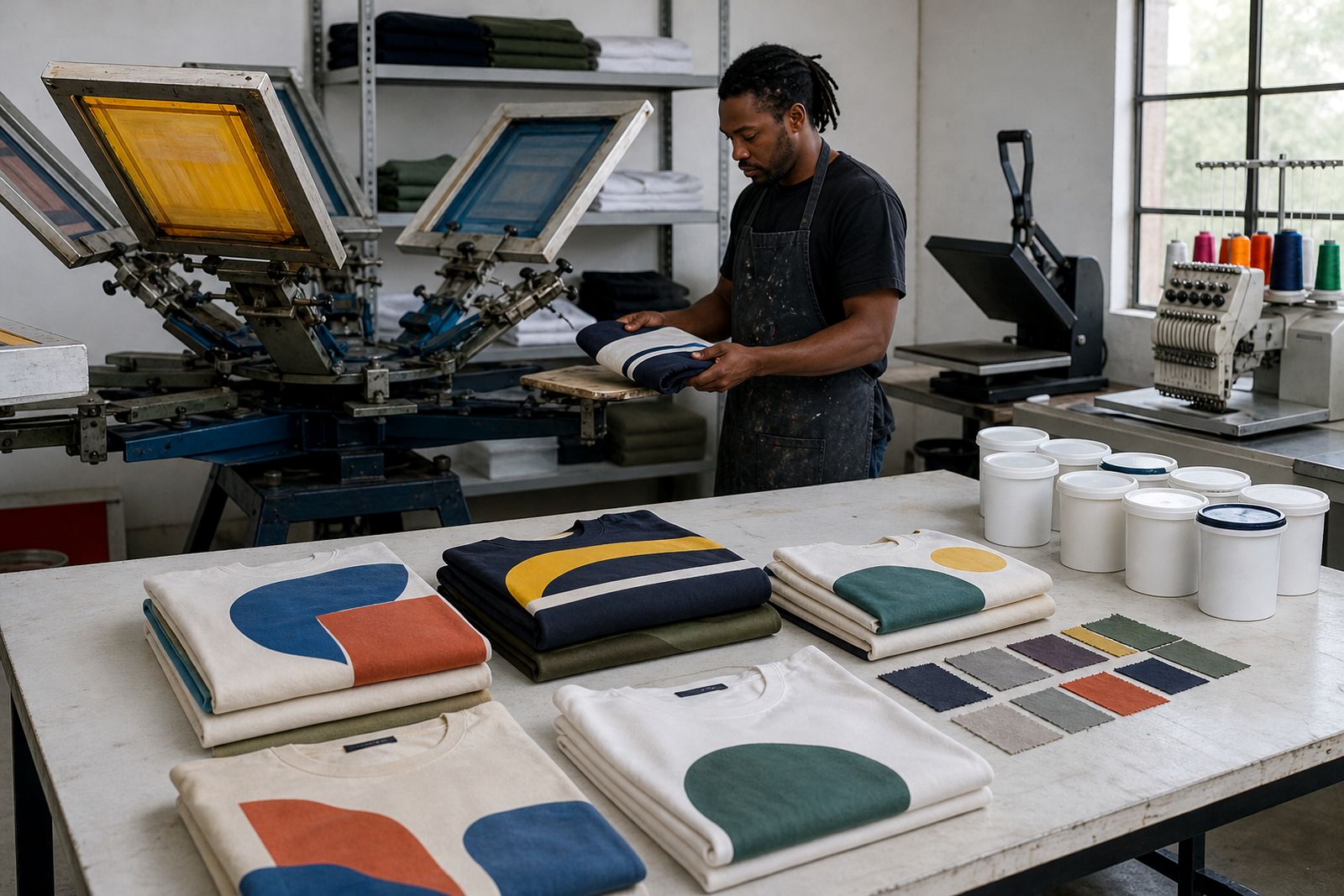
Midrand bay setup details
Week-one measures for a new colour bay. The brief stayed narrow: one primary colour route, one check card, and a swatch note that the plant could keep. We write the steps the press lead can defend.
Place: Midrand. Studio and ink systems were confirmed before the first impression ran. The opening good impression was tagged with the date and kept with the starter pack notes.
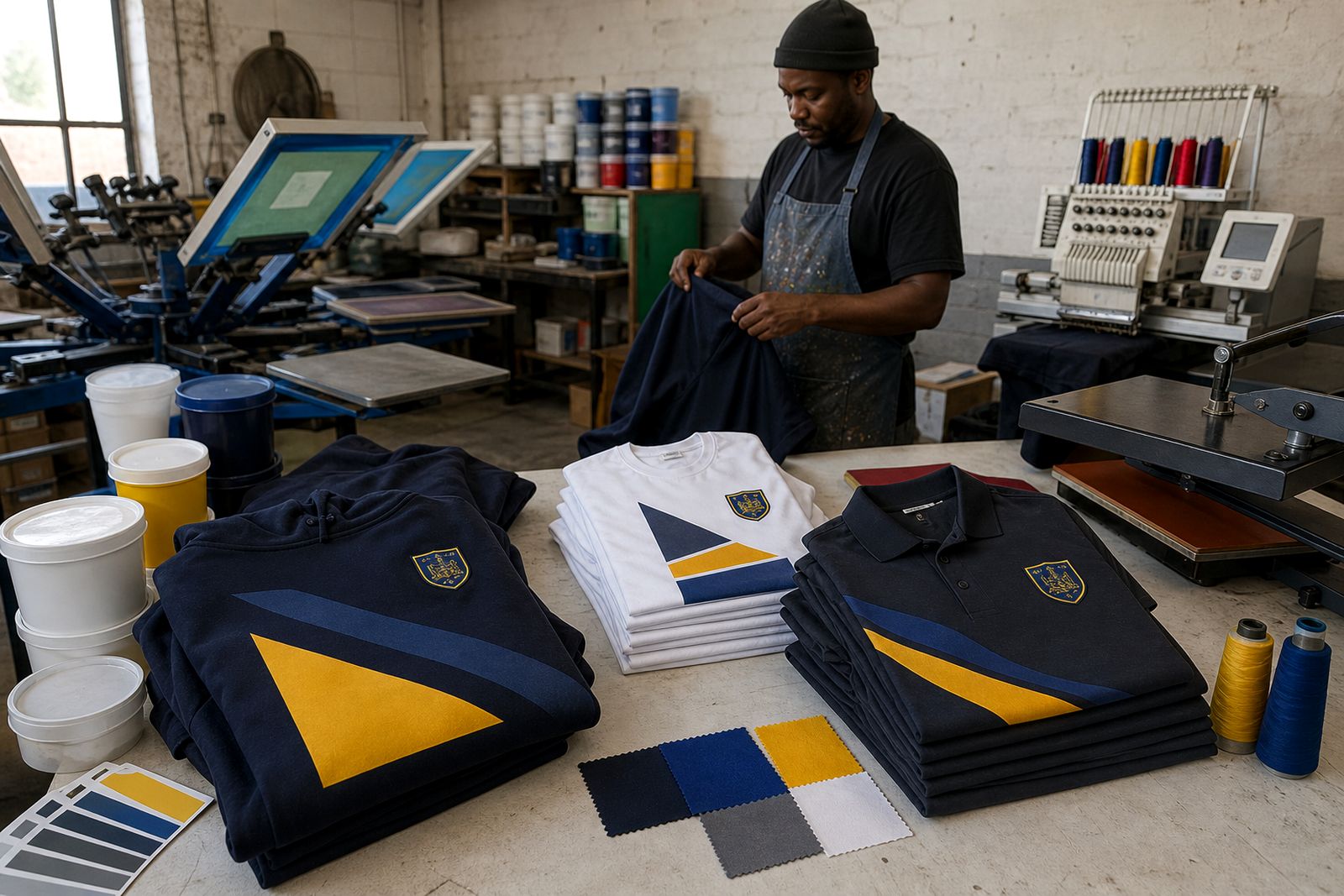
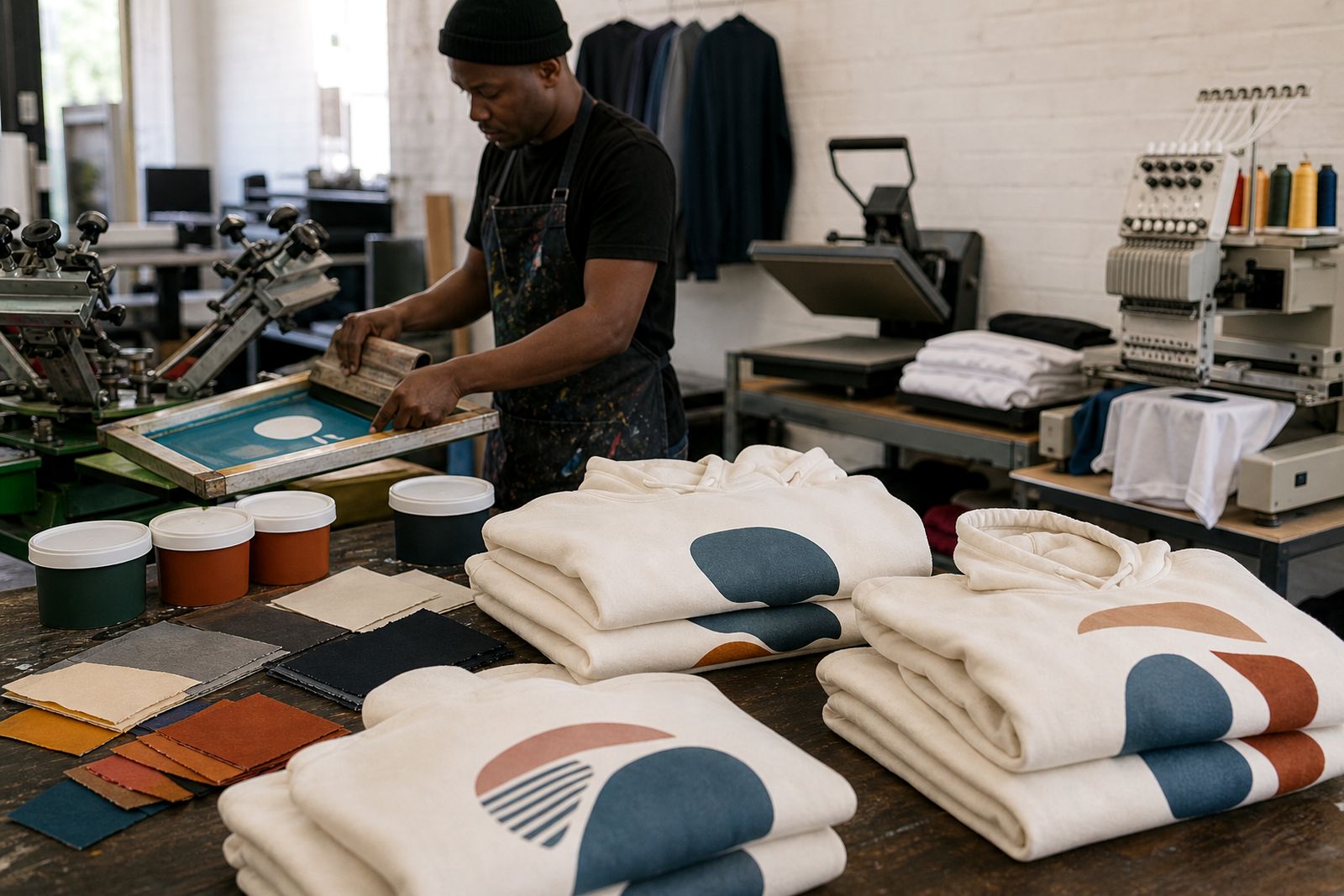
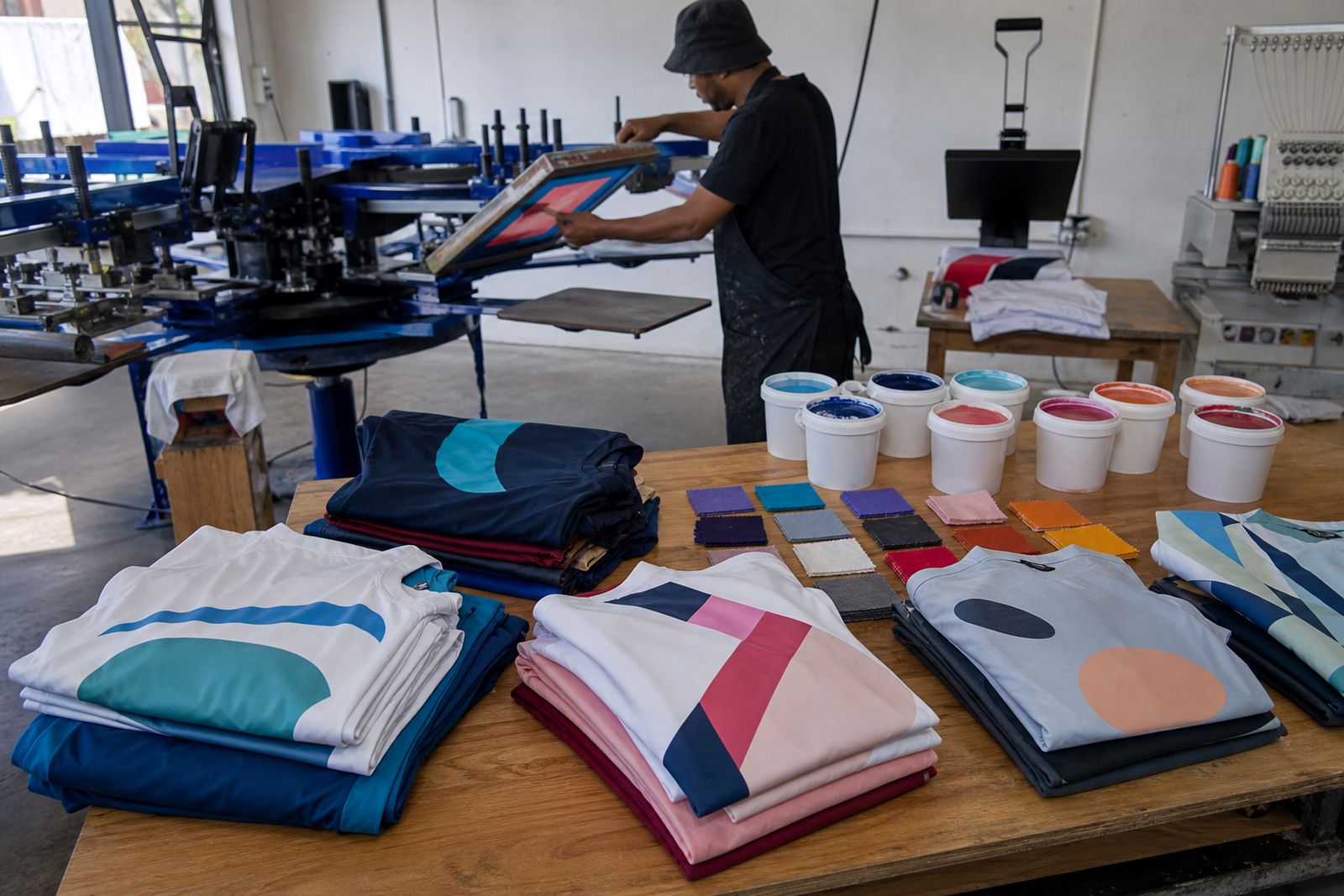
The first setup in Midrand was kept tight so the bay could hold one dependable colour route from the opening pull. Film, ink drawdown, and thread reference were laid out beside the press sheet to stop side-by-side guesswork once speed increased. Before waste was binned, the operator marked the first off-shade pulls against the check card for later training.
Checks that stayed useful
Midrand conditions put more pressure on handling than on range. Fine dust near packing areas, small humidity swings, and hand-written bay changes can all move a good impression off target before anyone notices. The only records that mattered were the first approved pull, the pinned check card, and the swatch note filed through our contact form.
- One primary colour route only
- Check card pinned at the bay
- Midrand plant photos logged first
- Swatch note kept with ticket
After the first run, the plant kept a simple record set instead of adding extra paperwork. That note pack showed the approved hue, the film used for the first pass, and the thread reference nearest to the print result. When a later run shifted slightly, the team had something physical to compare before changing settings.
Brief notes for similar bays
A useful starting brief for this kind of Midrand bay is short and specific. Include the city, the substrate or garment type, and the intended colour family. If there is a preferred thread palette or swatch book on site, name that reference exactly as the plant uses it.
Two checks help on first-week work. Record the bay temperature and humidity when the first acceptable impression is signed off, then note any change before shutdown. In inland plants that swing between cool mornings and warmer afternoons, that small line on the sheet can explain ink feel and drying behaviour later.
Browse Colours, Studios, and Swatches before the call so the language matches. Send a message through our contact form.
Items kept at the bay
What the Midrand plant kept on the job file was simple and usable. The bay kept the approved card, a printed photo of the first good impression, and the handwritten swatch note that matched the run. Sales images were not the priority here because the plant needed a repeatable reference more than a polished picture.
If a similar starter bay involves freight or a courier handover, mention that at the beginning of the brief. Midrand jobs tied through Johannesburg can need different packing notes for film, colour packs, or sample sets moving out with other plant paperwork. A plain ticket with the awkward details included is more useful than a tidy summary that leaves the bay conditions out.
What our Print and Embroidery Supplies customers say
Verified Google reviews
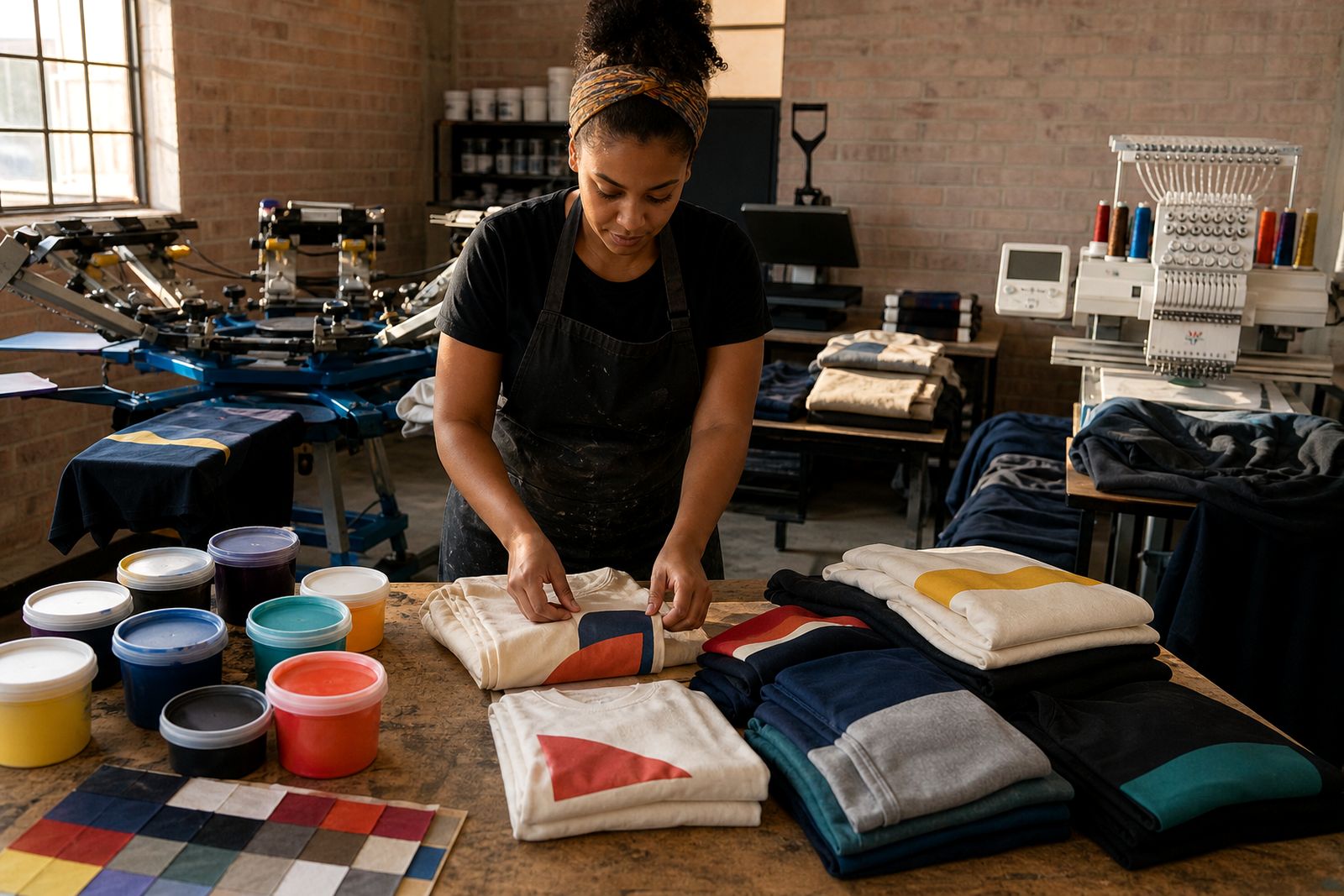
Tell us about your print room
Send a note through our contact form with the garments and fabrics you decorate, the print or embroidery method, the colours you need matched, how much you run in a month and your area, and we will come back with practical supply options and a quote.
Open the contact form