Screen ink sampler
Small screen ink tray for studios that still pull screens beside digital colour.
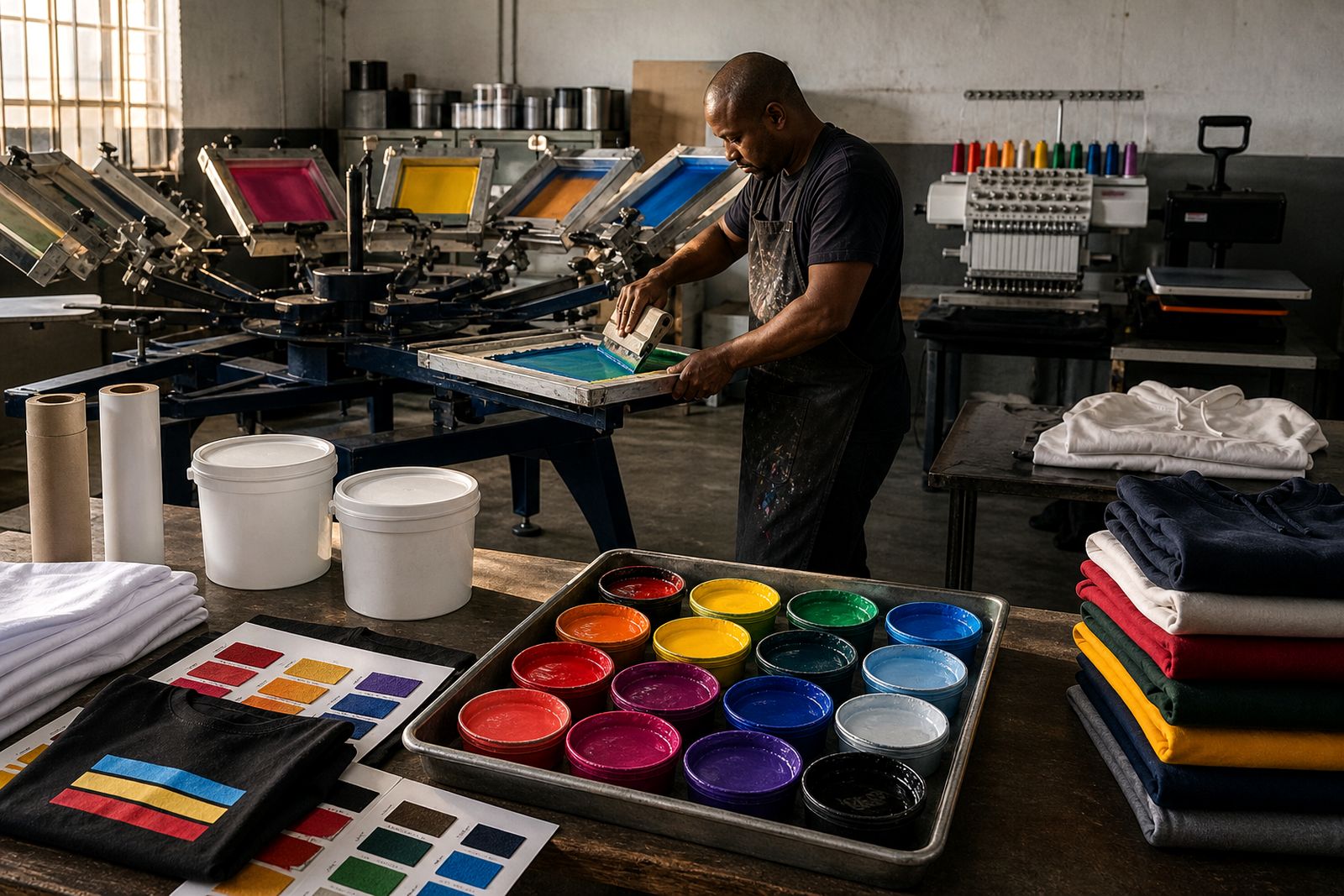
Six-pot checks beside the screen tray
A screen ink sampler gives mixed print rooms a compact way to keep standard colours on hand for screen pulls, strike-offs, and quick density checks. Each set is built around six pots in a small tray, so an operator can test coverage and drying behaviour without opening full cans. In South African studios where digital work shares space with manual screens, that small format helps when bench space is tight and jobs change often.
Use the sampler when a garment print, label back-up run, or spot colour test needs a physical pull rather than a screen preview on a monitor. The six-pot layout suits short approval sessions, swatch marking, and side-by-side comparison under the same room light. For teams moving between inland dry air and coastal moisture, it also makes it easier to watch how ink body shifts during the day.
Before the first pull, check mesh count, squeegee edge, and the condition of the tray lip so no dried ink breaks into the mix. Mark each pot with the colour name, date opened, and the substrate used for the sample card. A quick phone photo of the approved drawdown helps when the same shade is needed again after power cuts or an interrupted shift.
6-pot bench sampling set
The screen ink sampler centres on six small pots arranged for easy access during hand printing and colour review. It fits studios that still run screens alongside digital colour, where one clear sample matters more than bulk stock on the shelf. If your room layout or process needs a wider equipment view, see
Use the notes under Swatches when you need the sampler to line up with thread cards or printed approval marks. That makes it easier to compare a pulled screen colour with embroidery shades and customer sign-off pieces in one room. If you send details through our contact form, include the mesh count, the ink type, and whether the tray will live beside a washout booth or at a dry bench.
- Six pots for short test runs
- Useful for mixed digital and screen rooms
- Checks colour body before larger ink buys
- Works with sample cards and bench notes
Mixed-room conditions in South Africa
Studios around Germiston, Midrand, and the coast do not all handle ink the same way. Highveld dryness can thicken an open pot faster, while Durban humidity can slow the feel of a fresh print on the rack. A small sampler helps teams spot those changes early without tying up production stock.
Dust in inland units means lids should go back on as soon as the sample is pulled. Near the coast, wipe the tray and pot rims more often so moisture and lint do not spoil the next check. If you are comparing colours in person or sending details through our contact form, note the substrate, mesh, and room conditions with the sample result.
Bench details worth recording
| Volume / band | 6 pots |
|---|---|
| Screen / role | Mixed rooms |
| Notes | Mixed rooms need a clear screen sampler without buying a warehouse of cans. |
Record the mesh used, the substrate tested, and whether the pull was for approval, matching, or wash test. Those notes matter more than a long spec sheet when the same screen ink sampler is shared between shifts. Questions about which sampler suits your mesh and fabric go through the contact form.
Related pages
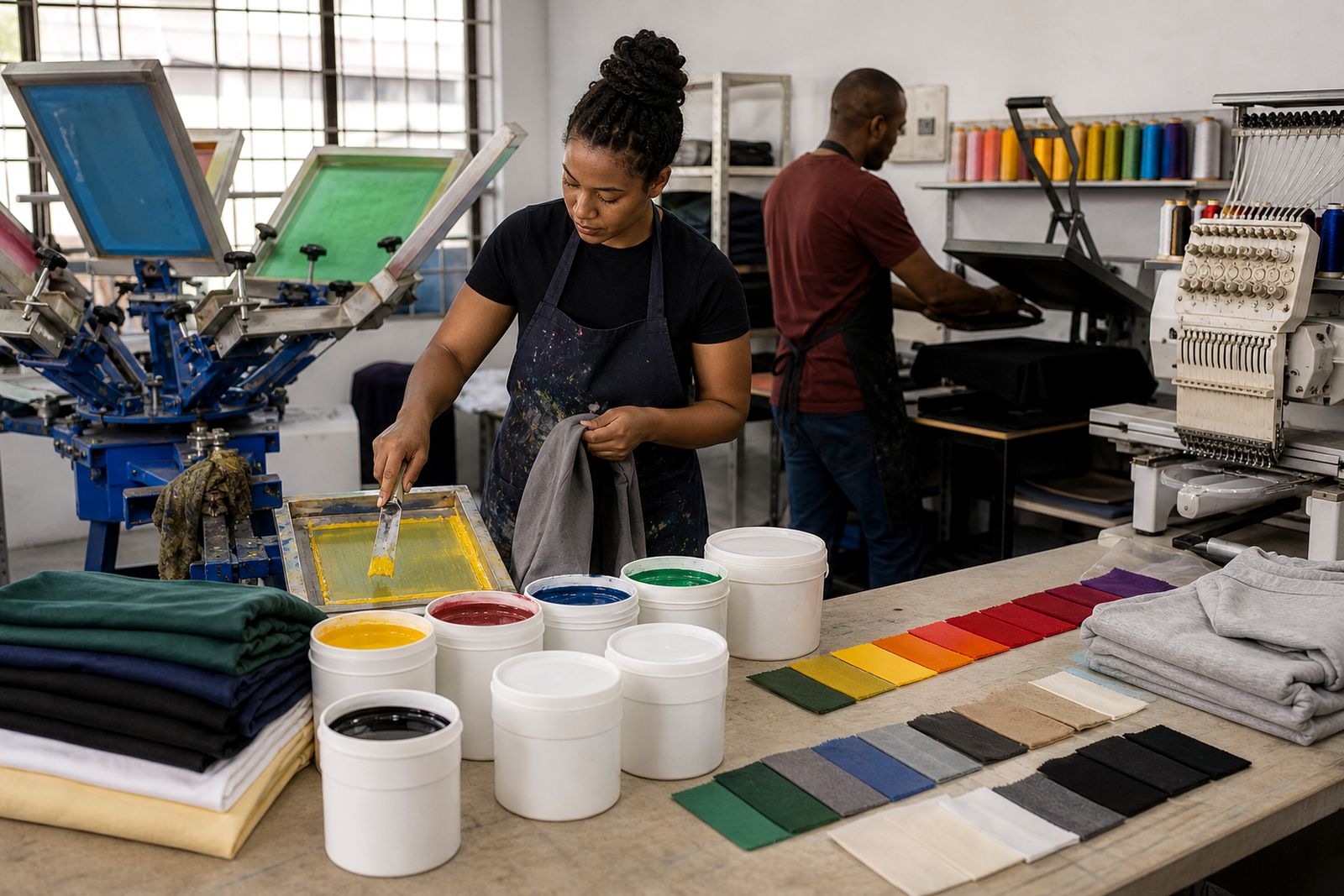
Ink sampler guide
Small screen ink tray for studios that still pull screens beside digital colour.
Read more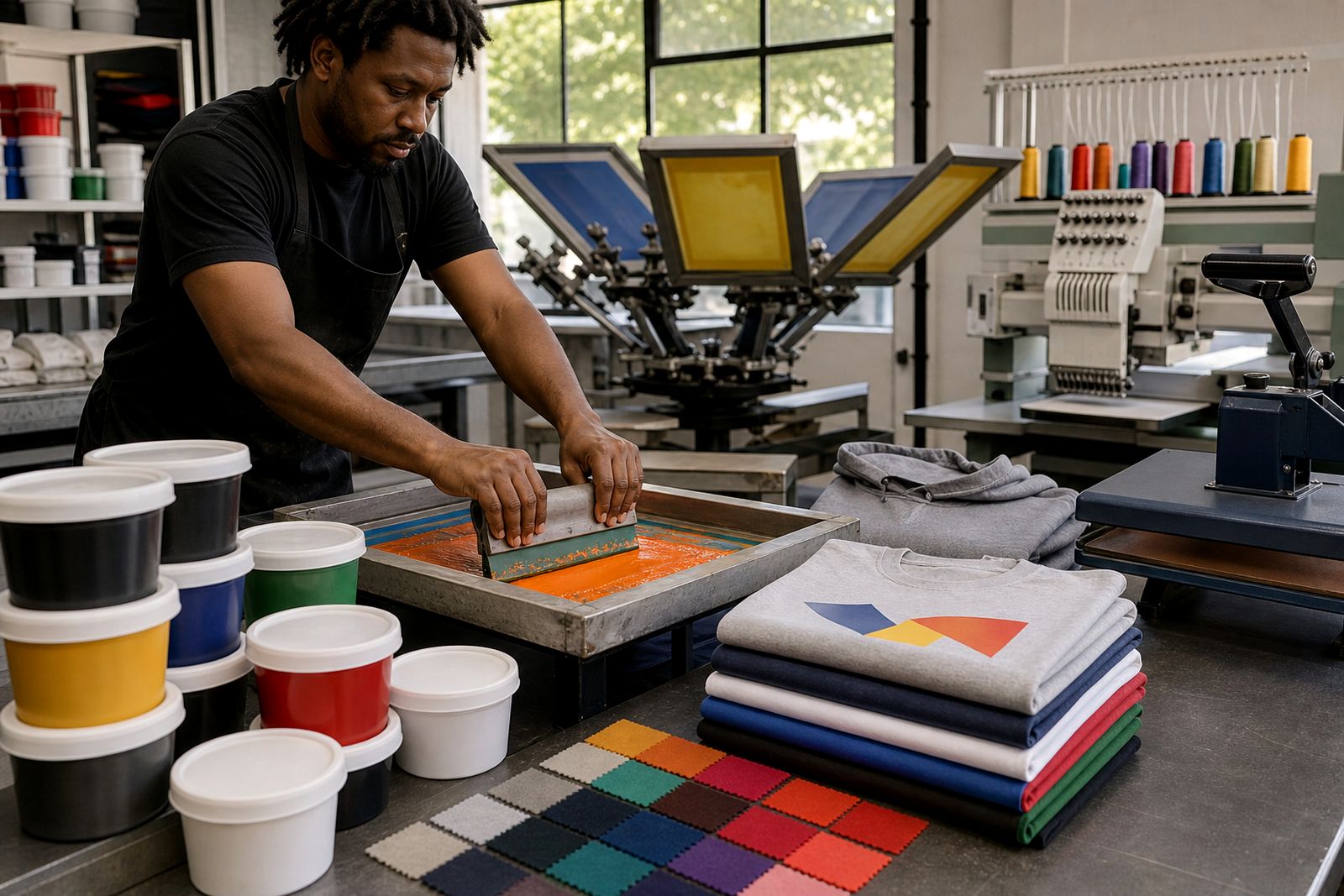
Ink sampler support
Small screen ink tray for studios that still pull screens beside digital colour.
Read more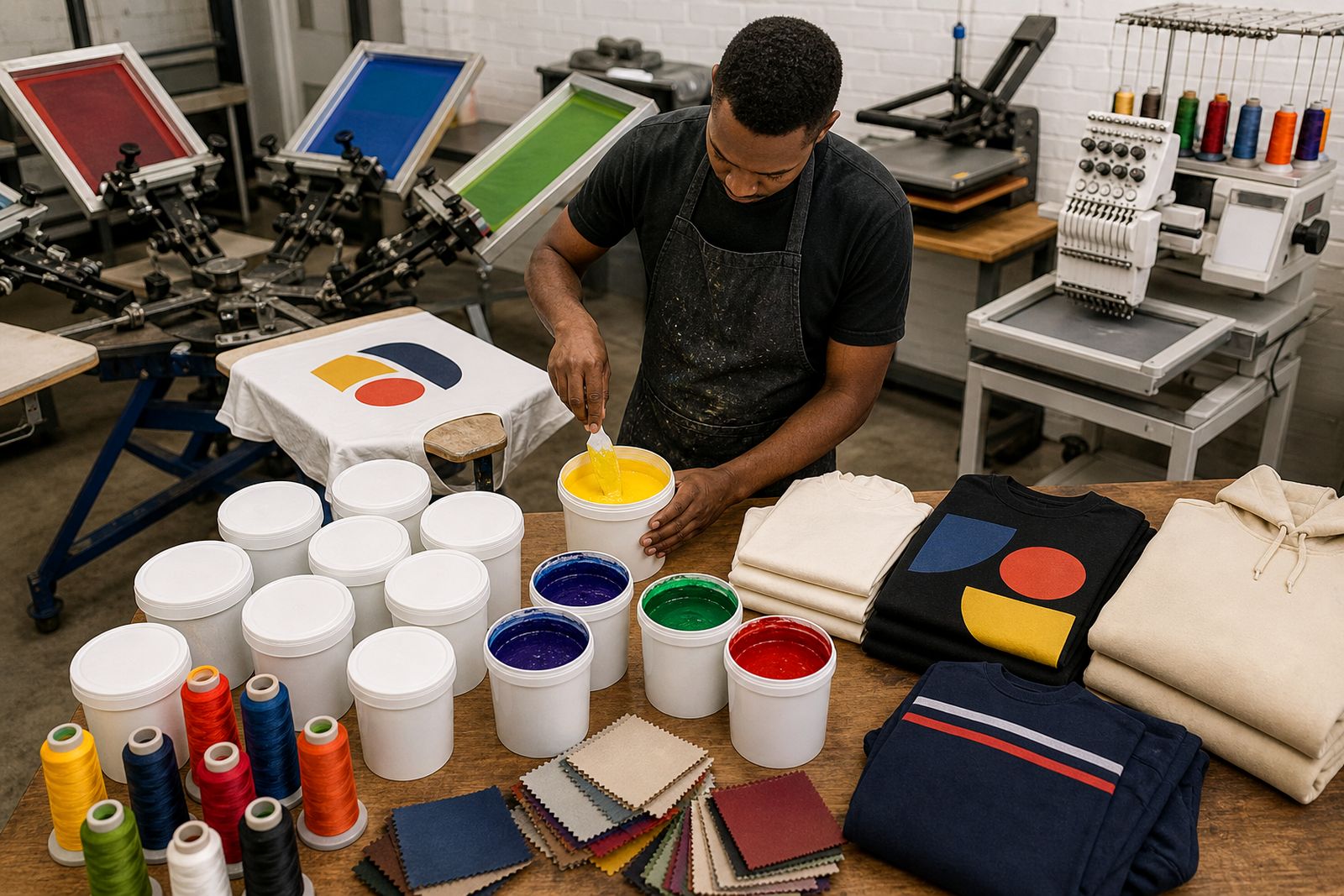
Soft hand colour pack
Soft melt colour for tees and light fashion that still washes clean.
Read moreWhat our Print and Embroidery Supplies customers say
Verified Google reviews
Tell us about your print room
Send a note through our contact form with the garments and fabrics you decorate, the print or embroidery method, the colours you need matched, how much you run in a month and your area, and we will come back with practical supply options and a quote.
Open the contact form