Pastel tray support
Pastel studio tray service covers tray hygiene, reserve pastel sets, and the details we need for a remote tray check. Include your press type, substrate range, and whether the tray sits near screen reclaim or the embroidery bench. Those points affect sealing, handling, and how we log lot changes across shifts.
Pastel tray upkeep on shift
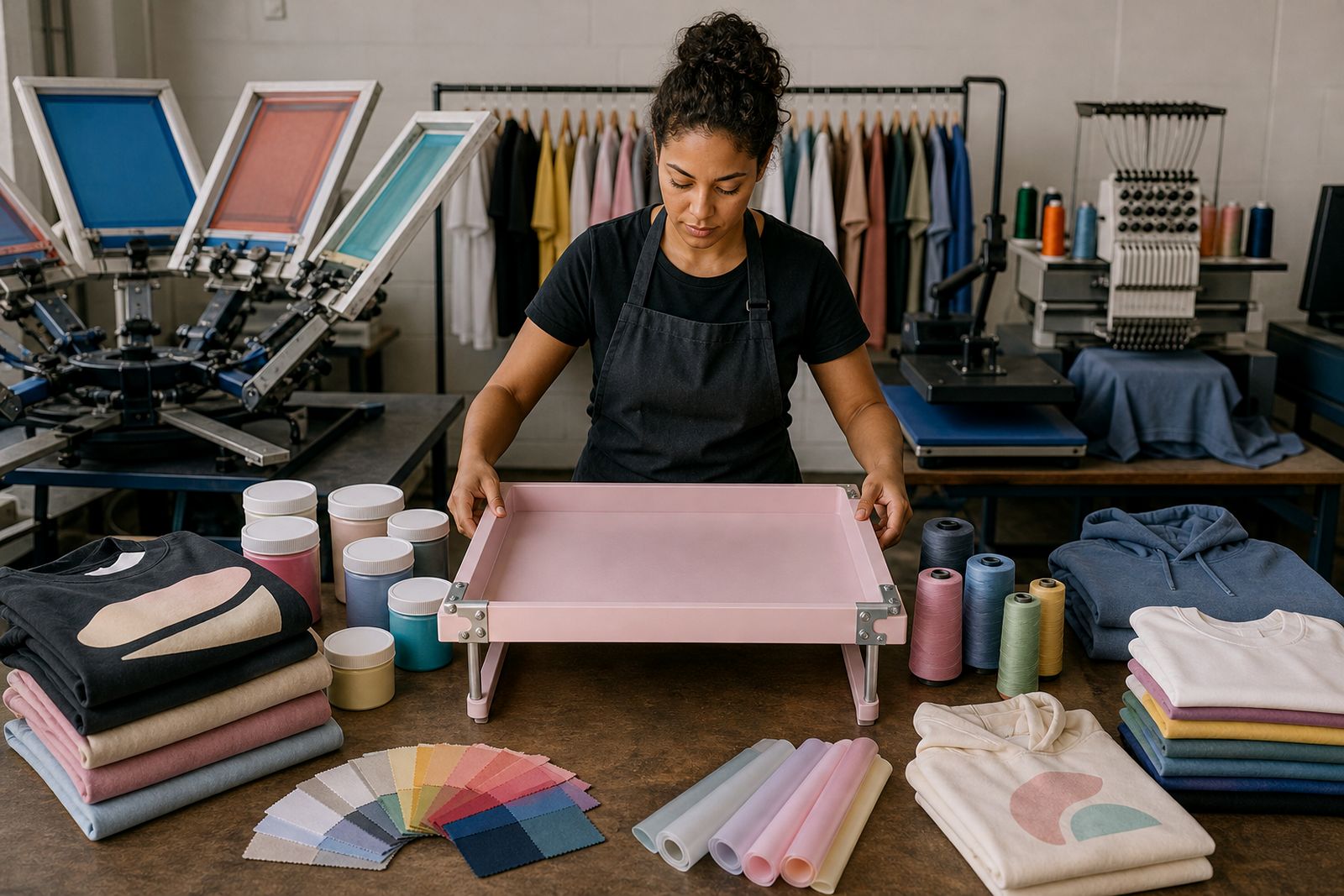
Pastel inks mark contamination quickly, so tray wells need a set wipe order and sealed lids between jobs. Coastal moisture can dull film labels and soften carton notes, which is why we pair tray service records with your linked swatch notes. For boutique runs with only eight pastels in rotation, we check lot marking, lid fit, and residue build-up around each well from the tray photos you send.
- Tray wells wiped before lid return
- Monthly squeegee angle check
- Quarterly spare kit review
Before a tray comes in, use our contact form and note the service name, your studio, and the pastel shades giving trouble. Add clear photos of stained wells, worn seals, or any squeegee edge marks so the check can match what happened on shift. Where power cuts affect wash-up or proofing, include the usual outage window for that bay.
Pastel studio tray in real shifts
Pastel trays are less forgiving than dense spot sets because dust, finger marks, and lot drift show up early on pale work. In South African studios, that matters on boutique label runs, short textile sampling, and embroidery approval sets where one dirty well can throw off the whole board. This service focuses on the tray as a working tool, not a shelf item, with checks that suit Midrand studios, East Rand print rooms, and humid coastal plants.
We start with the tray layout, the ink family, and how operators pull colour during the shift. A pastel set used beside film positives needs different handling from a tray parked near thread cards and backing rolls. Notes are kept short and visible, with well numbers, cleaning sequence, and spare-kit prompts that can be pinned near the bench.
Photograph the tray after the first clean setup of the month, not only when a problem appears. That image gives a useful record of fill level, lid condition, and whether pale shades are starting to pick up contamination from tools or gloves. It also helps when a replacement pastel needs to match the tray record already on file.
Tray records and spare kit
The written service note gives your studio a logged tray condition, a practical cleaning order, and a note on reserve pastel stock. We keep the paperwork brief because these trays sit in active bays, not in display racks. Where another page fits the job better, we point across to Studios for the operating setup around the tray.
Match the tray plan to the studio before adding more colours or extra wells. Swatches should use the same shade names your press lead or embroidery sampler uses on shift. When you send details through our contact form, include the tray size, current pastel count, and whether the bench also handles film, mesh, or thread cards.
- First monthly photo logged against tray wells
- Pastel set matched to studio output
- Squeegee angle checked with tray condition
- Related: Studios and swatch notes
Pastel handling in SA bays
Highveld dust settles fast on open pale inks, while coastal humidity can leave lids tacky and labels curled. For that reason, pastel tray support looks at storage position, sealing routine, and how often the tray stands open during changeovers. Pale sets do not hide neglect, so the check is built around what the shift actually does.
A tray kept near washout areas will age differently from one stored in a dry prep cabinet. Inland studios often need more frequent edge cleaning, while coastal sites need closer attention to condensation and paper note condition. Appointment time is better spent reviewing tray use, film storage, and thread references than paging through generic samples. If your team is running beyond entry-level setup, say which checks you do in-house so the written notes can focus on the gaps.
Checks logged on this service
| Volume / band | 8 pastels |
|---|---|
| Screen / role | Boutique |
| Notes | Pastels show dirt and lot drift fast. We keep trays sealed and logged. |
Monthly squeegee angle review, quarterly spare kit inspection, and tray handling notes all matter for eight-pastel boutique work. If you need the support mapped to a specific bench or bay, use the contact form and mention pastel tray support. Include any current numbering system used on the wells or lids.
What our Print and Embroidery Supplies customers say
Verified Google reviews
Also worth a look
Tell us about your print room
Send a note through our contact form with the garments and fabrics you decorate, the print or embroidery method, the colours you need matched, how much you run in a month and your area, and we will come back with practical supply options and a quote.
Open the contact form